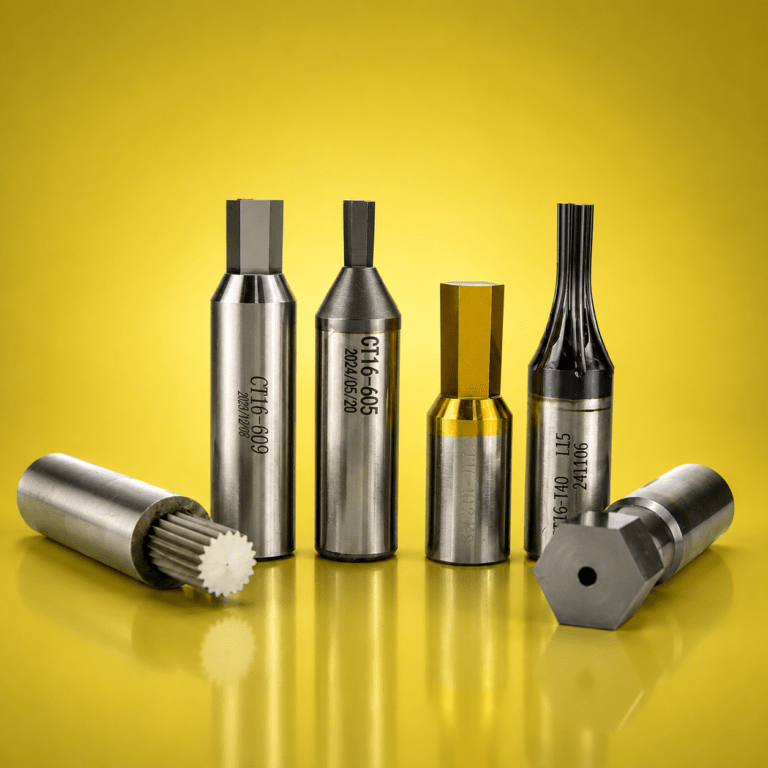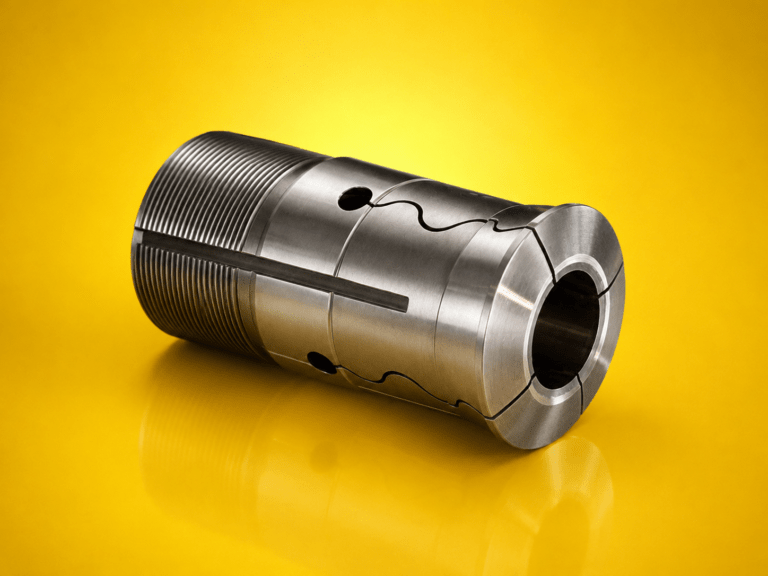
Today, metalworking and toolmaking involve many different requirements. For each metal-machining operation, harder and newer alloys are proposed, but the central question remains: why has HSS retained its place in toolmaking despite these newer options, and why may its use even be increasing?
What Is HSS?
HSS (High-Speed Steel) is a tool steel known for high durability and its ability to withstand high temperatures. It contains elements including tungsten, molybdenum, vanadium and chromium, which give the material resistance to heat and wear.
Why HSS Remains Popular
Its broad range of uses and economical cost are among the main reasons it remains established among toolmaking materials. HSS tools can work with a wide range of metals, including carbon steel, stainless steel and non-ferrous metals. They are also more economical than carbide tools. They offer a balance between cost and performance; in addition to a lower initial cost, reworking and regrinding are less costly and more accessible than for carbide tools.
Heat Resistance and Impact Resistance
In machining, impacts caused by workpiece surface irregularities or by the workpiece geometry itself, together with friction and heat, are major causes of tool wear. In these conditions, HSS tools show their advantage. Because they combine resistance to impact, heat and wear, they can tolerate demanding conditions without dulling. This means they can operate longer without regrinding or replacement.
HSS tools also have considerable impact resistance, which helps them absorb shocks and vibration during machining. This flexibility makes HSS tools less prone to chipping or breakage, extends their service life and can reduce long-term cost.
Some Uses of HSS
Because of its broad use, economical cost, heat resistance and impact resistance, HSS remains a material of choice for drilling, broaching and tapping. In many applications, HSS is the only material that can work effectively.
Many tool manufacturers have introduced new products made from other materials, but those efforts have not been successful. Besides its economical cost, which is often the first reason for choosing HSS tools, HSS is the only alternative to carbide for some hard materials. Its better performance than carbide with certain hard metals has also been demonstrated in industries including aerospace and cast titanium forging components.
Conclusion
For some drilling and broaching applications, HSS is the best option—if not the only option—because these tools generally cost about one third of their replacements. Operating at lower speeds, HSS tools can withstand impact that may break carbide tools. This makes HSS more dependable and, for some applications, without an alternative.
Source: blog.pilotprecision.com, with some modifications.
Related Technical Topics
This article is also related to the following technical searches:
- Broaching
- Stainless steel
- Tungsten
- HSS (High-Speed Steel)
- Tool steel