What Is a Swiss-Type Machine?
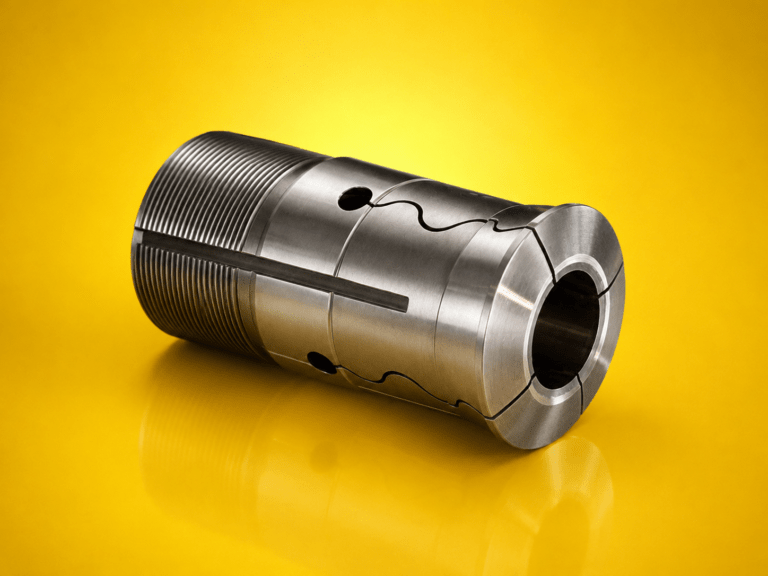
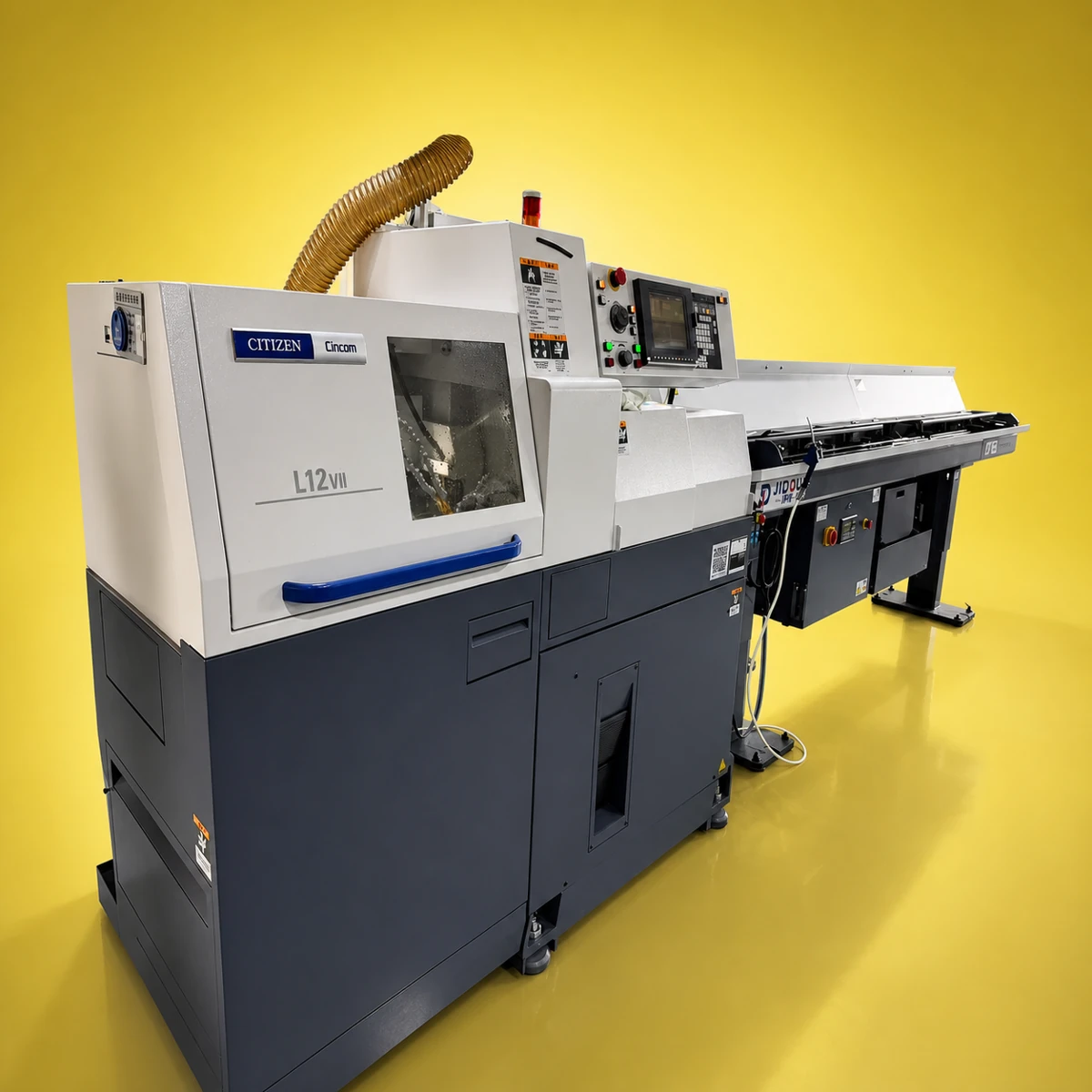
Swiss-type machines are a type of high-precision turning machine with additional machining capability and the ability to produce complex parts. In these machines, there is no need to repeatedly unclamp and reclamp the workpiece. This benefit, together with guide-bushing technology, gives these machines higher production accuracy and speed than conventional CNC machines. The following sections cover technical details, operating methods, advantages and practical use based on Yonar Tools’ years of experience with different common Swiss-type machine brands.
History of Swiss-Type Machines
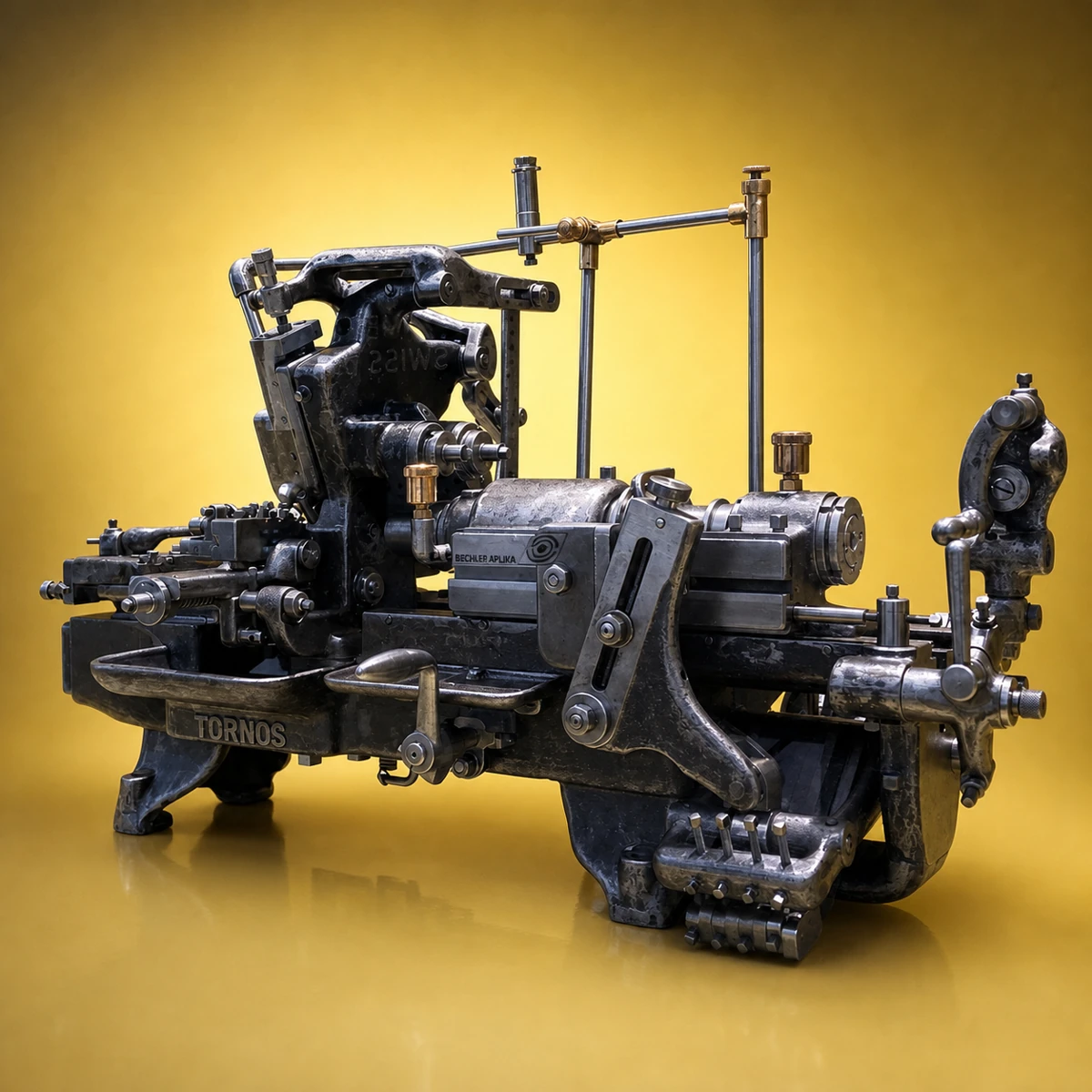
As their name suggests, Swiss-type machines were first produced and used in Switzerland. Switzerland’s leadership in watchmaking, the need for greater production accuracy than earlier machines, and the need to produce small parts with high precision led a Swiss watchmaker, Jakob Schwarzer, to use a different machining strategy for the first time in 1872. Instead of previous methods in which the workpiece was held with a clamp, he used a guide bushing and a bar that could slide within it. The advantages of this machining method soon became clear; by 1960 it had found a place in workshops and factories and quickly entered industries beyond watchmaking. With technological development, these machines now have far more capability than the early versions.
How Do Swiss-Type Machines Work?
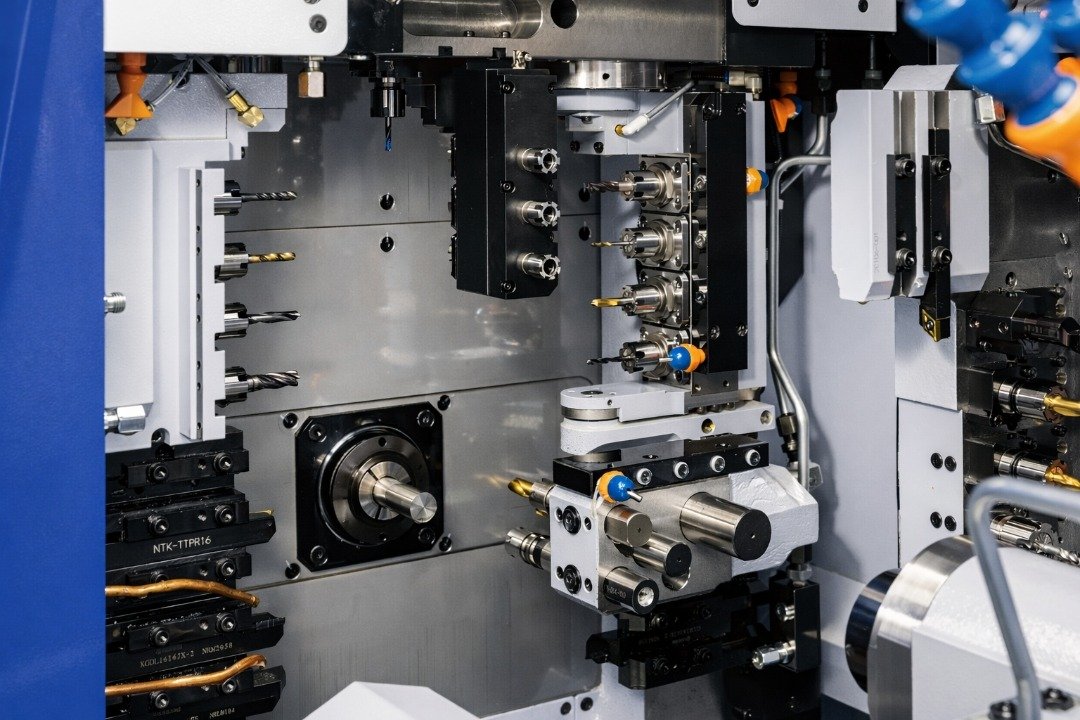
Swiss-type machines are used for bar work, so production can be carried out with less operator involvement than on earlier CNC machines. On machines with a bar feeder to guide the bar into the guide bushing, the bar is loaded into the bar feeder and then guided through the guide bushing for machining. After turning and milling operations are completed on the part at the main spindle, the second spindle can take the part and perform the remaining operations. Swiss-type machines have no limitation in material type and machine materials including steels, titanium, brass, PEEK and other materials.
Advantages of Swiss-Type Machines
Very High Accuracy and Tight Tolerances
The guide bushing and the ability of the bar to slide within it allow tools to work close to the support point. This reduces vibration, improves surface quality and enables high machining accuracy. Today, Swiss-type machine error reaches below 0.01 mm. Swiss-type machines are necessary in important industries including medical components, aerospace and electronics.
Higher Output and Production Capacity
The ability to complete complex operations on a part in one setup is an important advantage of Swiss-type machining. With live tooling and multiple axes, turning, milling, drilling and threading can all be completed in one operation. This improves accuracy and eliminates errors caused by reclamping the workpiece.
Lower Production Cost and Better Material Use
Simultaneous machining on two spindles and completion of all operations on one part can greatly reduce machining time and labour cost. This matters in industries using expensive materials such as titanium, because moving the workpiece can increase scrap and production cost.
Continuous Production and Consistency
With advanced controllers, automatic bar feeders and the ability to complete all operations on one part, Swiss-type machines require very little human intervention. Cooling systems help retain consistent part quality in high-volume production. This is one of their key characteristics.
Use Across Materials and Applications
These machines are not designed for one material or industry. They can be used with brass, steel, titanium, engineering polymers and a wide range of industries, including aerospace, medical implants, defence and electronics.
Important Industries That Use Swiss-Type Machines
Medical Components
They are used to produce medical components with high precision and very tight tolerances. Orthopaedic screws, surgical instruments and bone-implant components are among the products commonly made with this technology.
Dental Components
In dentistry, parts such as abutments, implants and dental-prosthesis components need dimensional accuracy and high surface quality. Swiss-type machines meet these requirements.
Aerospace
In aerospace, Swiss-type machines are necessary for making small, lightweight and precise parts from special alloys such as titanium and stainless steel.
Electronics
Connectors, pins and small electronic parts are common Swiss-type applications because of their small size and high production volumes.
Automotive
In automotive manufacturing, certain precise fuel-system parts, sensors and vehicle connections are also made using Swiss-type machines.
Common Machining Operations on Swiss-Type Machines
Turning
Turning is one of the main processes on Swiss-type machines and is used to create different diameters, chamfers and shoulders on the workpiece.
Drilling
Swiss-type machines can carry out different precision-drilling cycles in axial and radial directions. This cycle is widely used in medical and dental manufacturing.
Milling
Using live tools, milling can be performed on different workpiece surfaces. Grooves, flats and special profiles are common uses of this process.
Threading
Threading is one of the most important processes in the production of industrial connections. Swiss-type machines can use different threading methods to produce internal and external threads.
Rotary Broaching
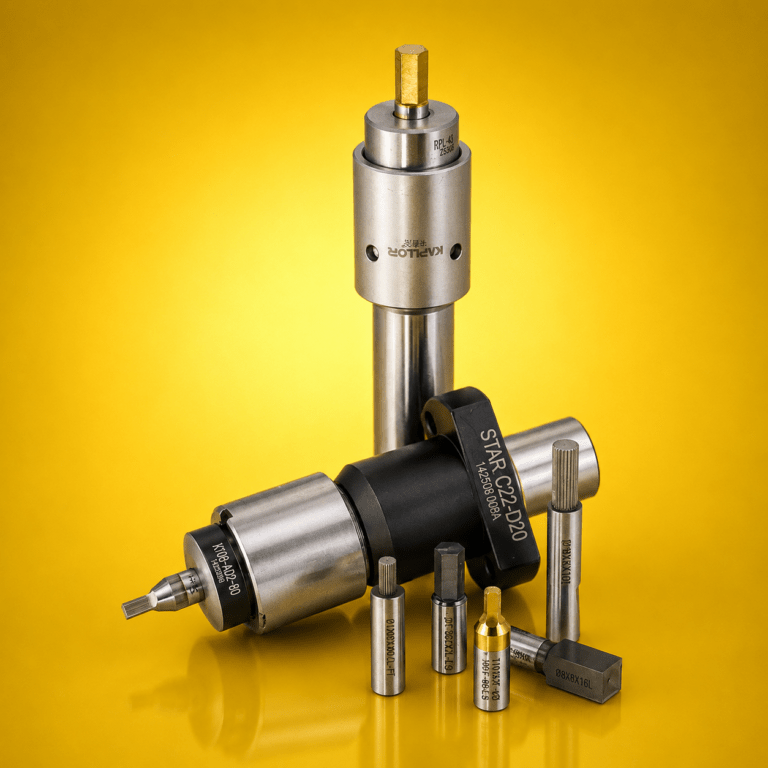
Rotary broaching is a fast method for producing internal profiles such as square, hexagonal, spline and Torx in one machining step. A dedicated English guide to rotary broaching on Swiss-type machines is not yet available.
Thread Whirling
Thread whirling is a specialist process for producing long, precise threads and is widely used for orthopaedic screws and medical implants. A dedicated English guide to thread whirling is not yet available.
Cross Drilling
This process creates holes perpendicular to the main axis of the part and is usually completed with live tools.
Cross Milling
This process is used to create flats, grooves and lateral forms on cylindrical parts.
Leading Brands of Swiss-Type Machines
Citizen
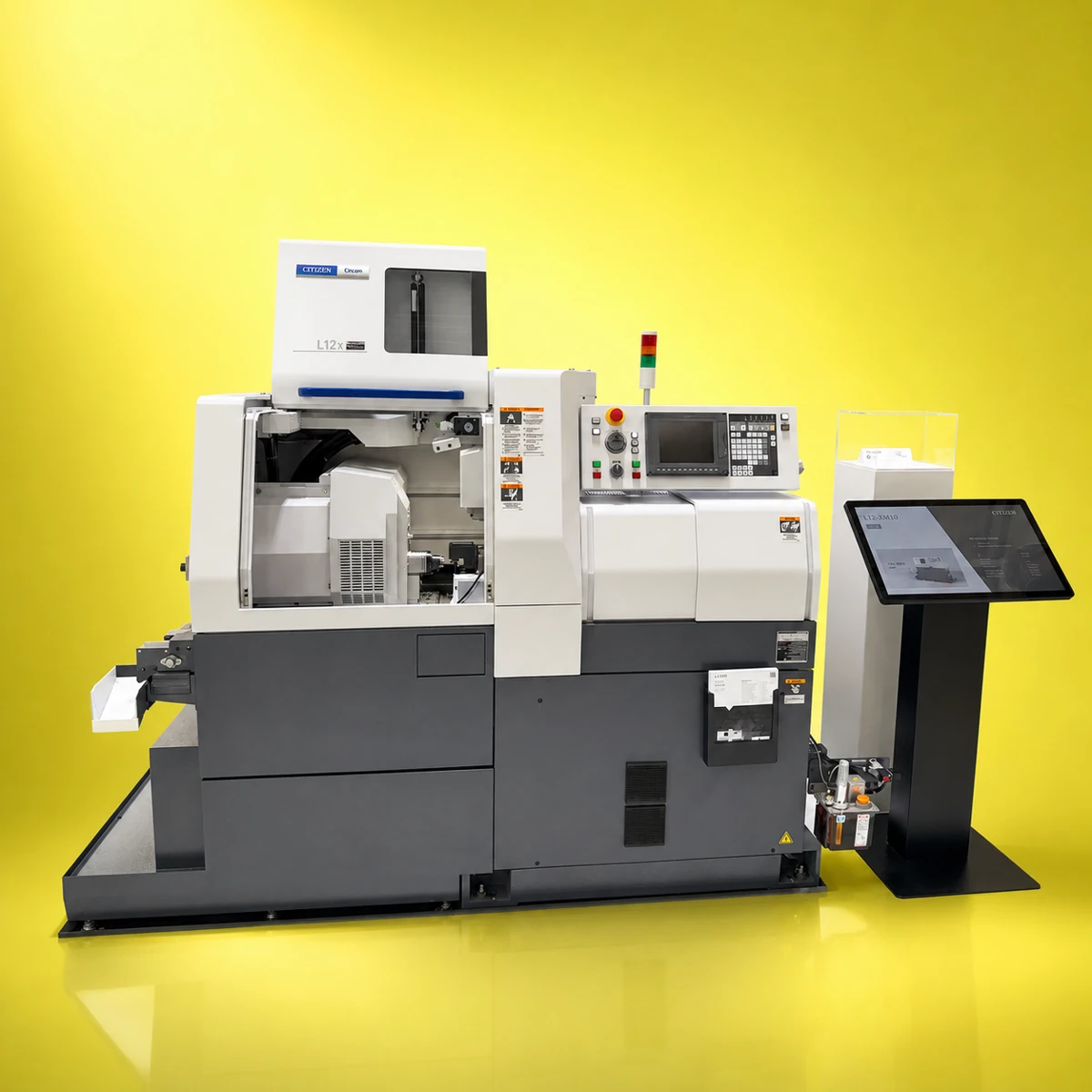
Citizen is one of the best-known Swiss-type machine manufacturers in the world. Its Cincom series is widely used in medical, dental and precision-part production and is known for high accuracy and the ability to machine slender parts.
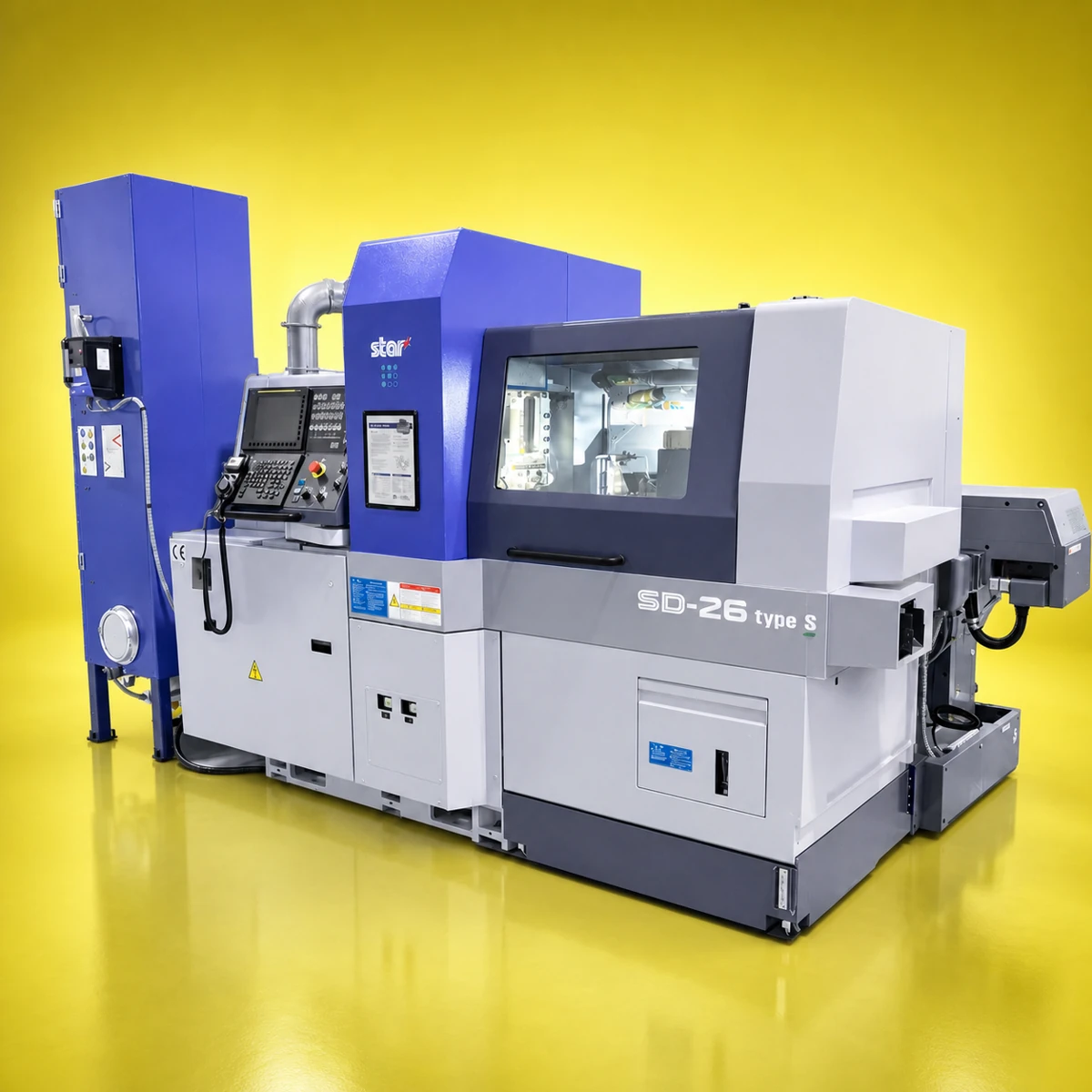
Star
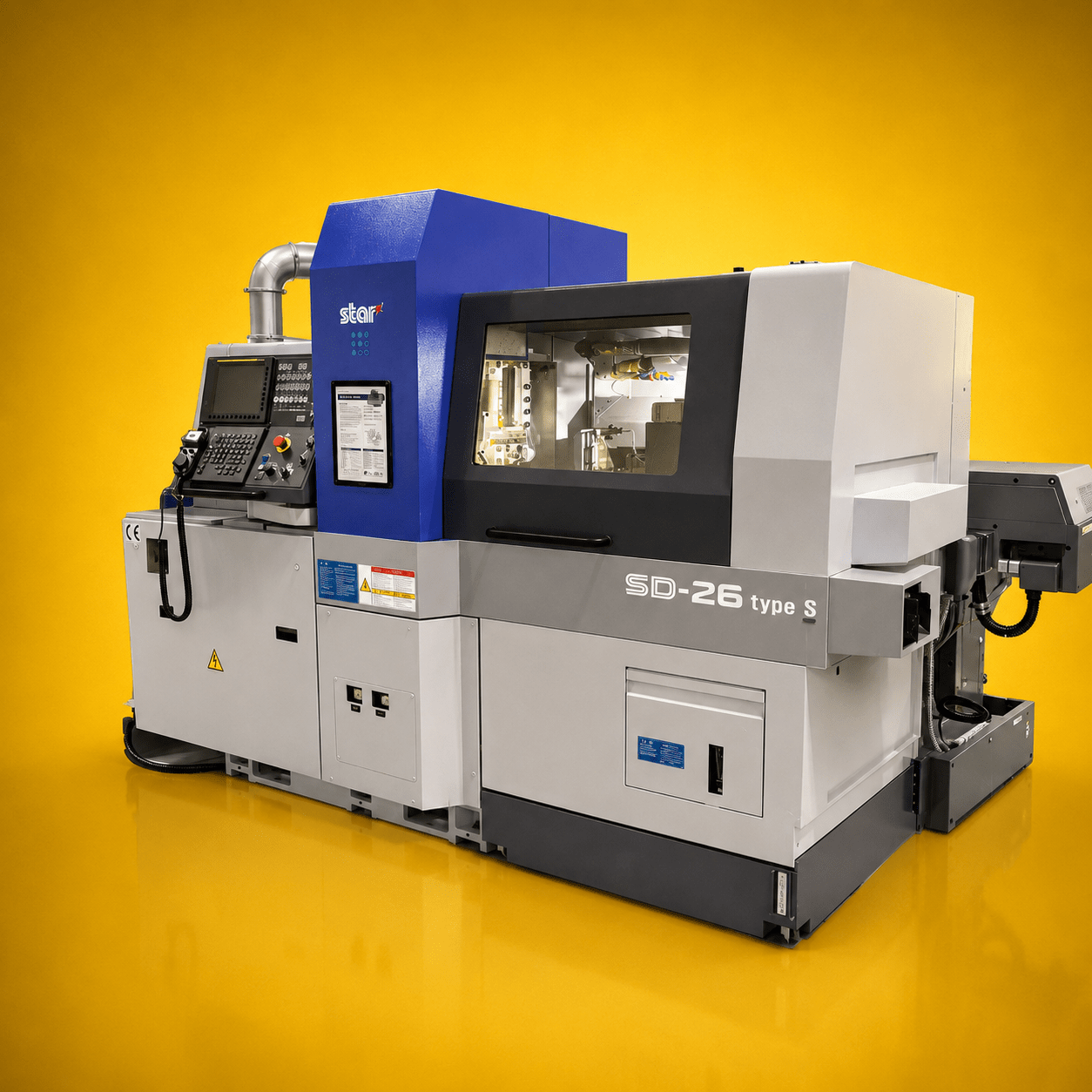
Japanese company Star is one of the pioneers of Swiss-type machines. The brand is used in many workshops because of its range of models, dependable operation and focus on producing small, complex parts.
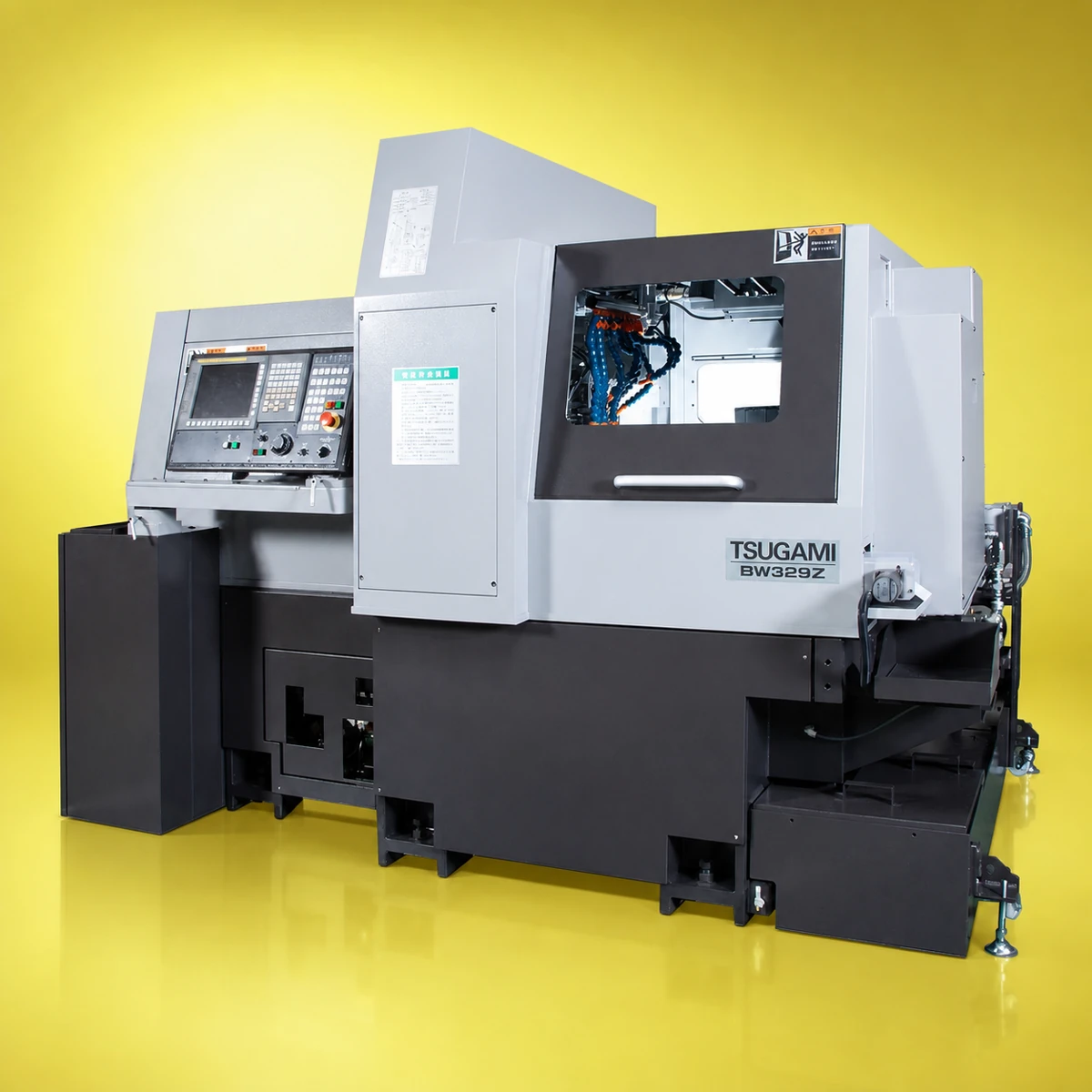
Tsugami
Tsugami is one of the largest manufacturers of precision machine tools for small parts. The company has a long history of developing sliding-headstock machines, and its products are widely used in medical, electronics and precision-part industries.
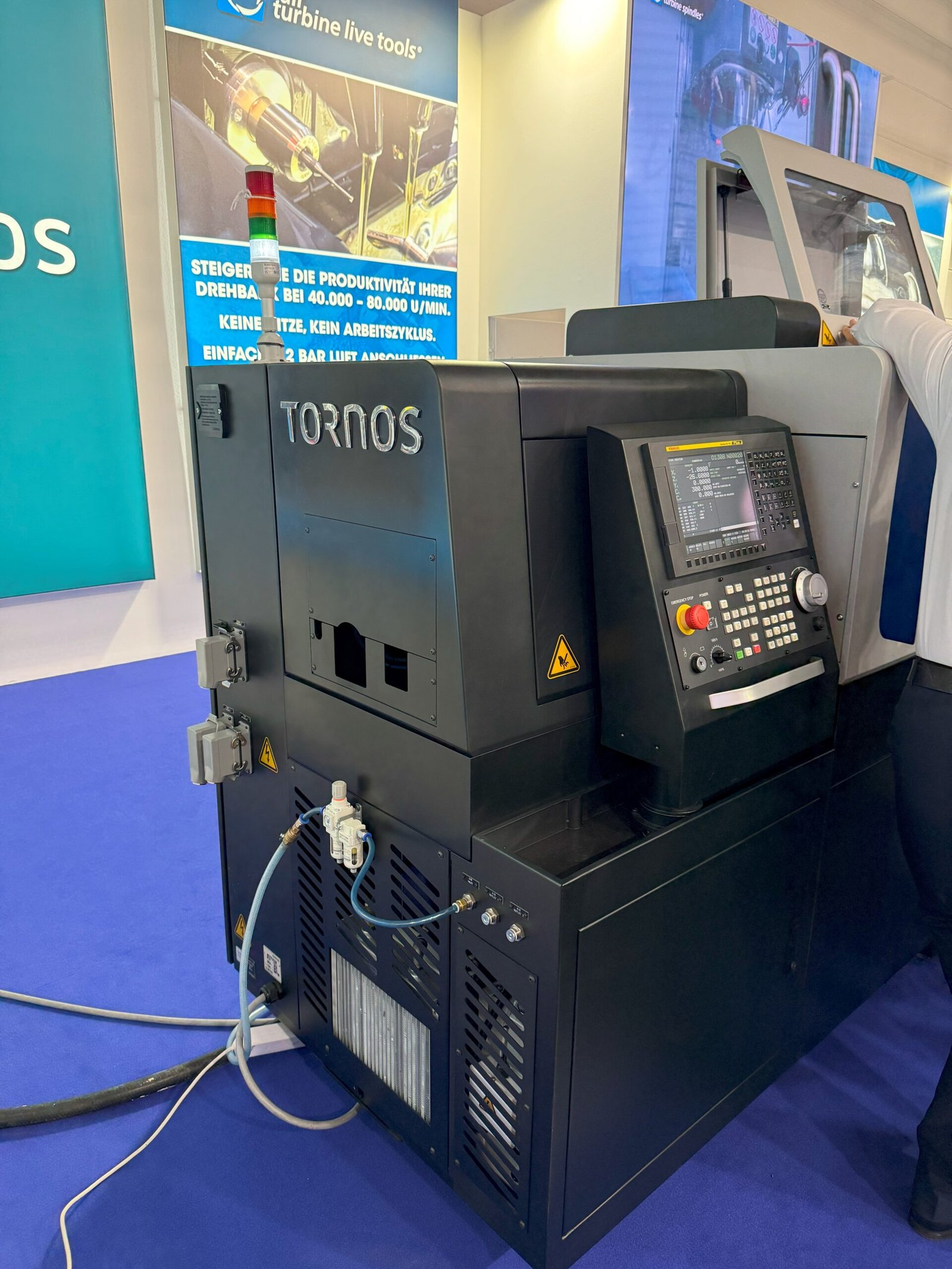
Tornos
Tornos is a Swiss brand with deep roots in watchmaking and precision machining. It is known as one of the symbols of Swiss-type machines, and its machines are used to produce highly precise parts for medical, electronics and micromechanics industries.
Related Technical Topics
This article is also related to the following technical searches:
- Swiss-type machines
- Swiss-type machine
- Swiss type
- Sliding-headstock lathe
- Guide bushing
- CNC machines
- History of Swiss-type machines
- Bar feeder
- Spindle
- Titanium
- PEEK
- Medical components
- Dental components
- Rotary broaching
- Turning
- Drilling
- Milling
- Threading
- Thread whirling
- Citizen
- Star
- Tsugami
- Tornos