Why are Swiss-type machines used to produce medical implants?
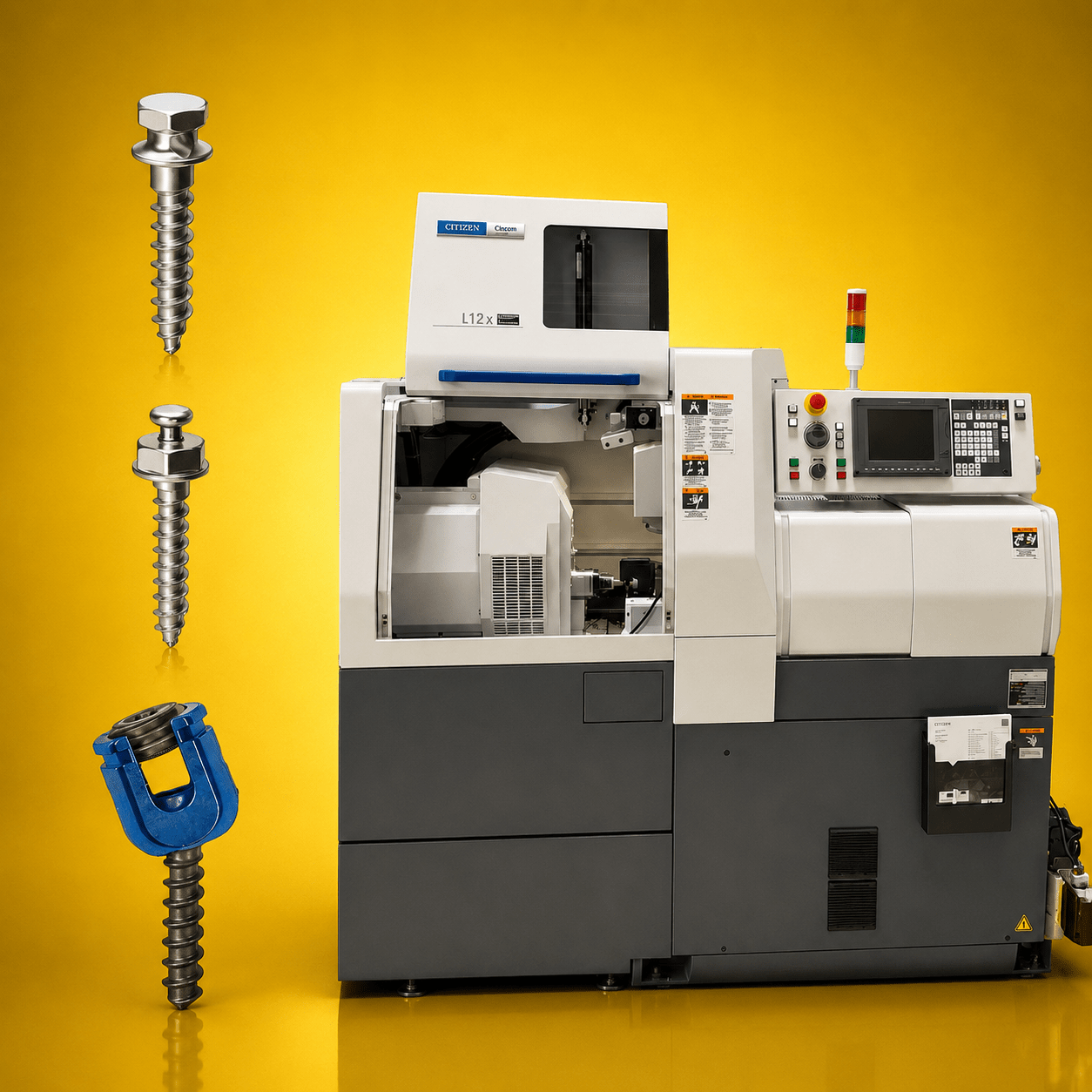
Medical and dental components require exceptional accuracy, repeatability and surface quality. Swiss-type machines are widely used in medical manufacturing because they can produce small, complex parts with tight tolerances efficiently.
Examples of Swiss-type applications in the medical industry
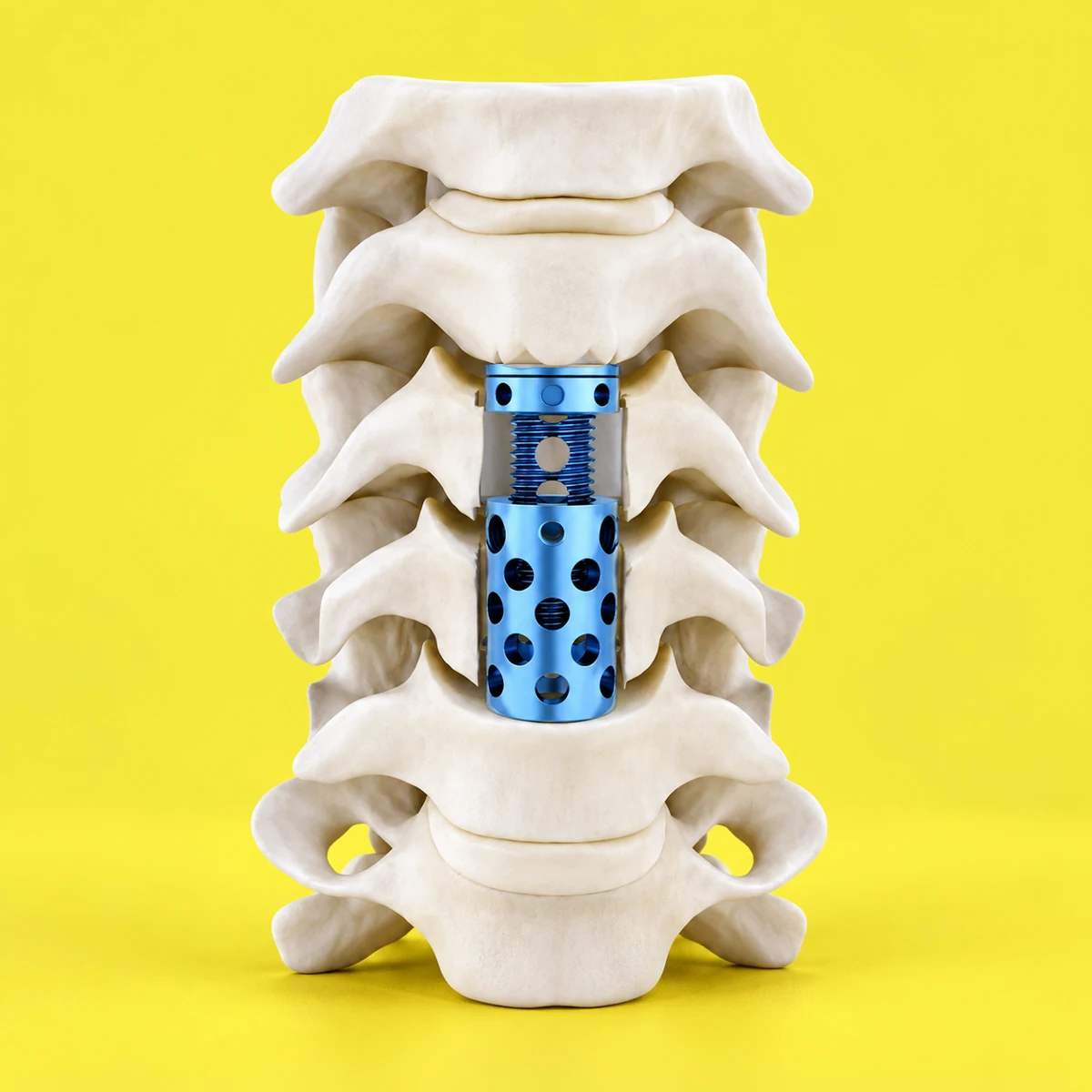
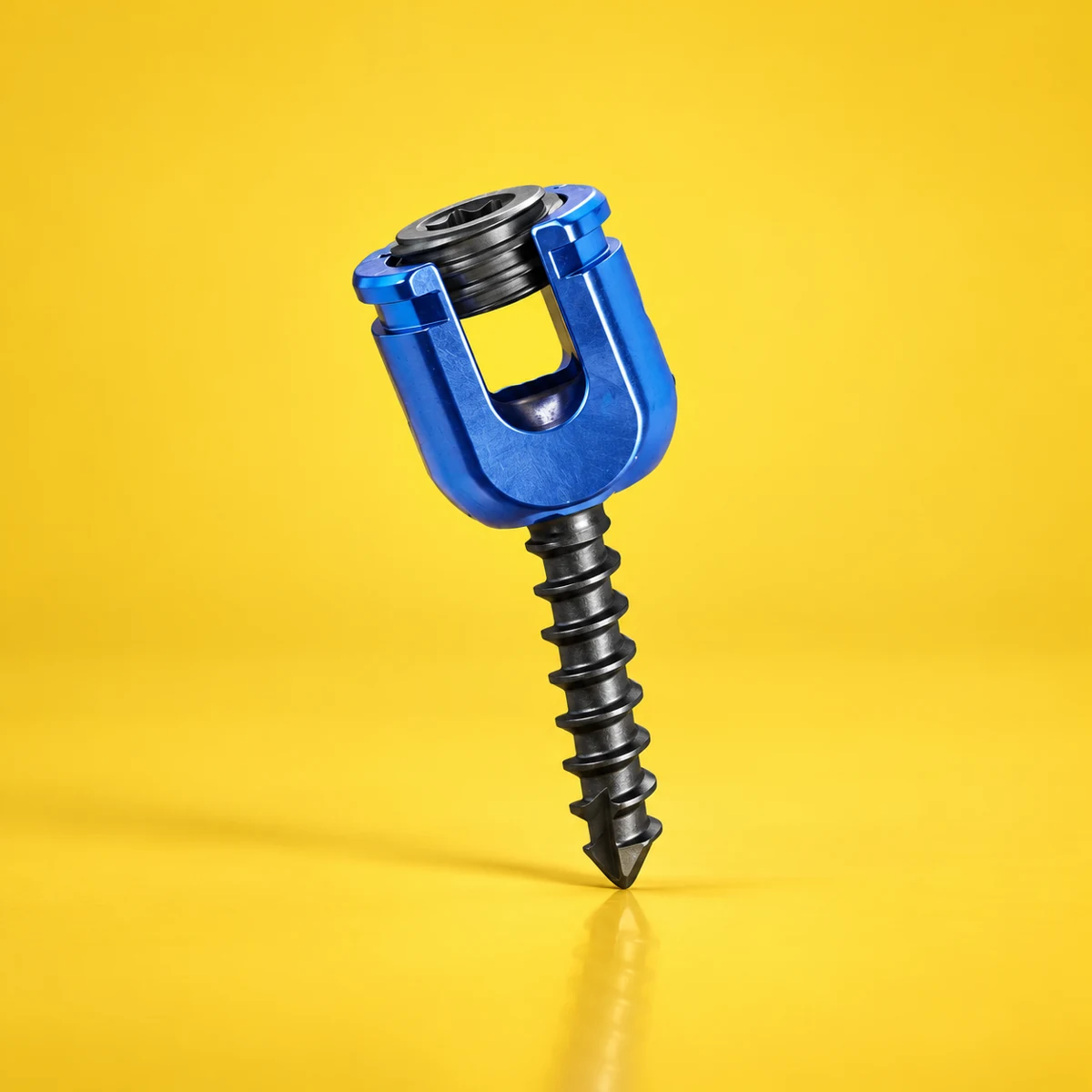
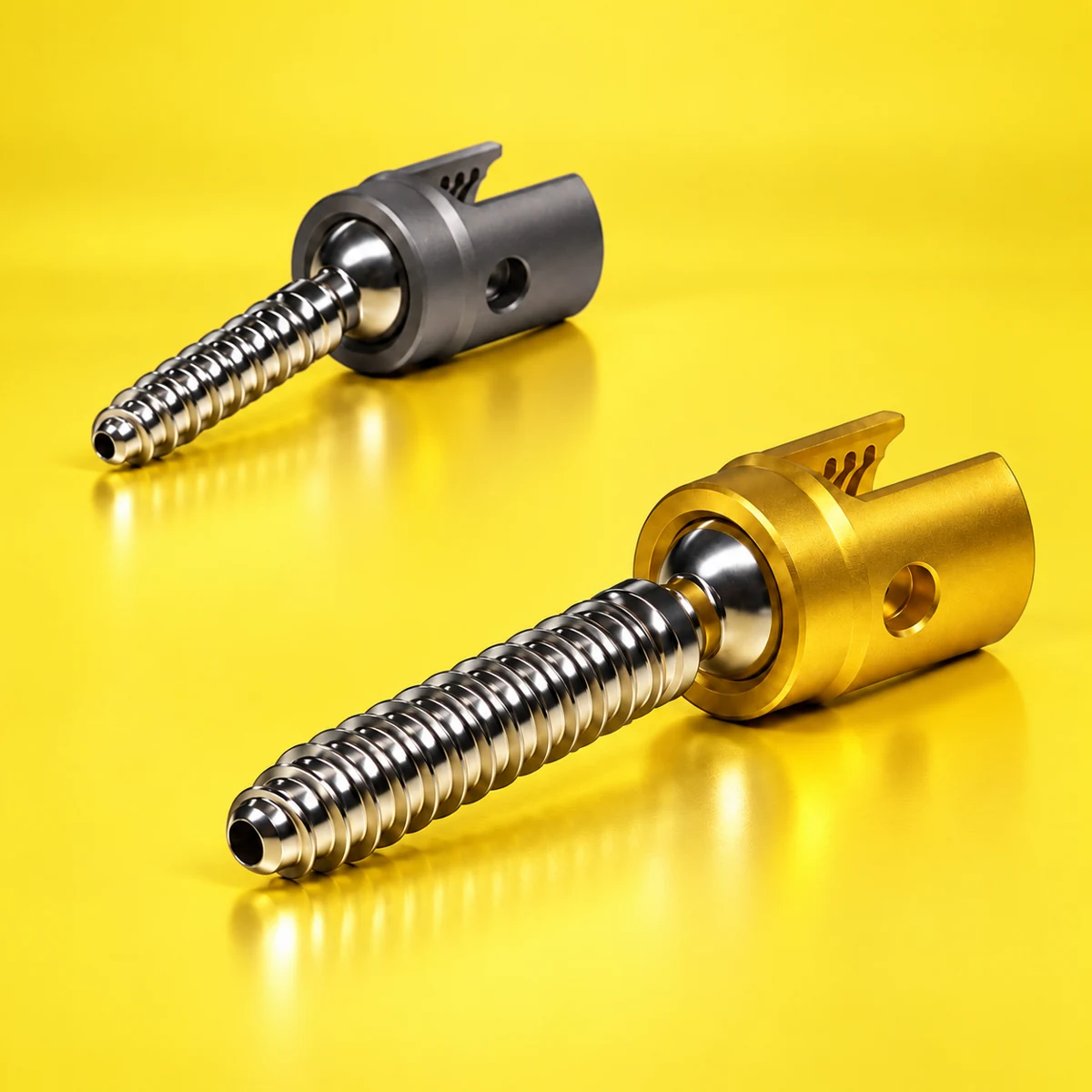
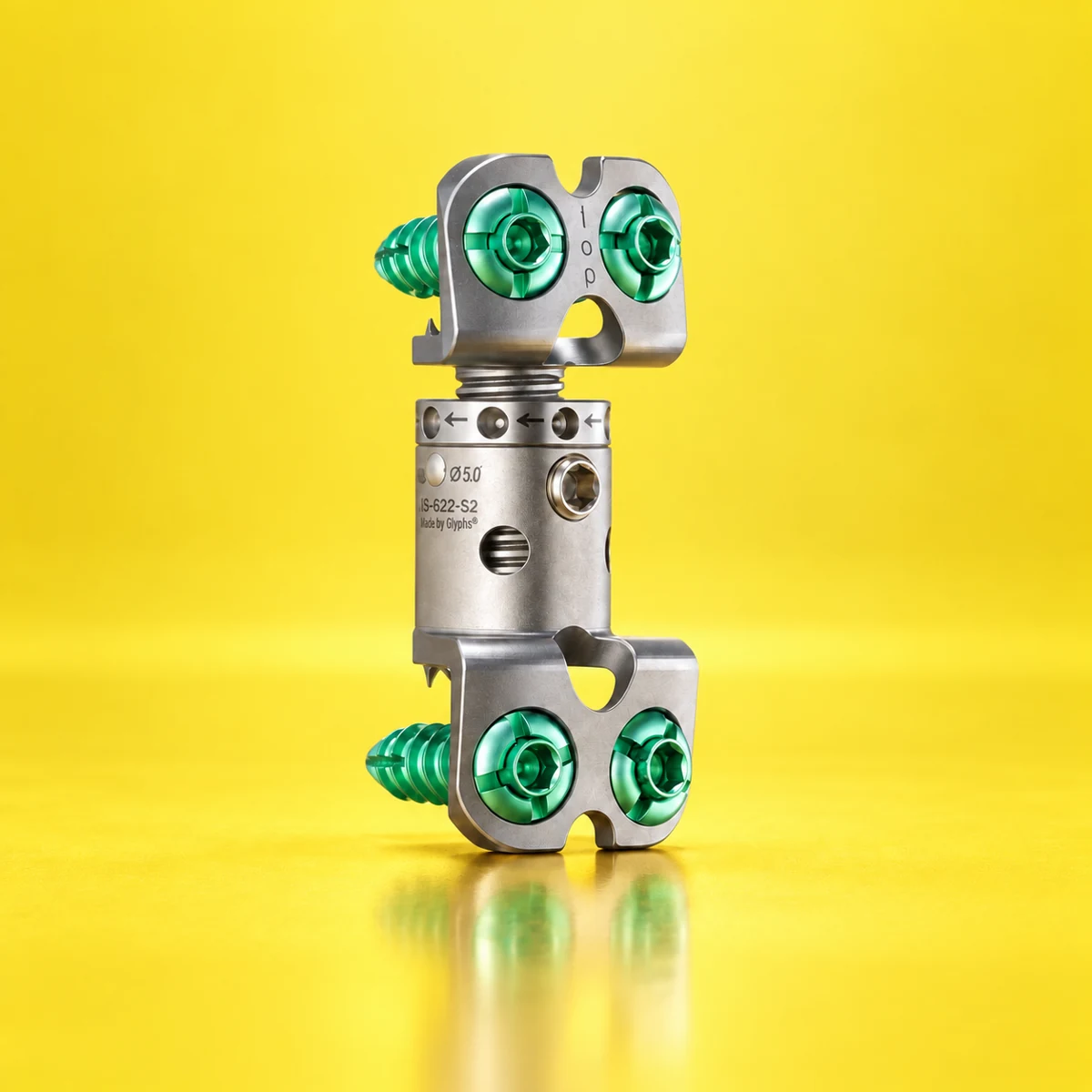
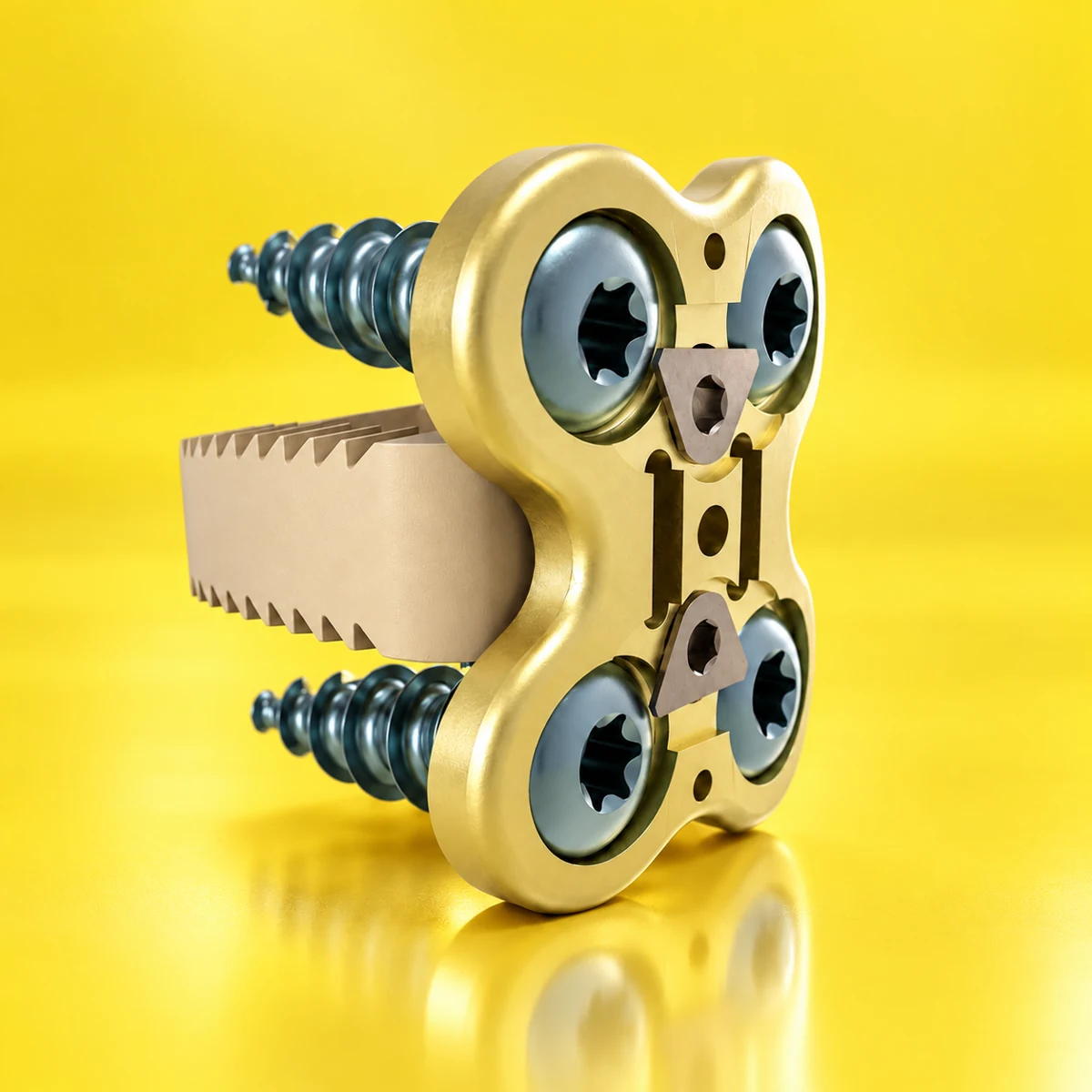
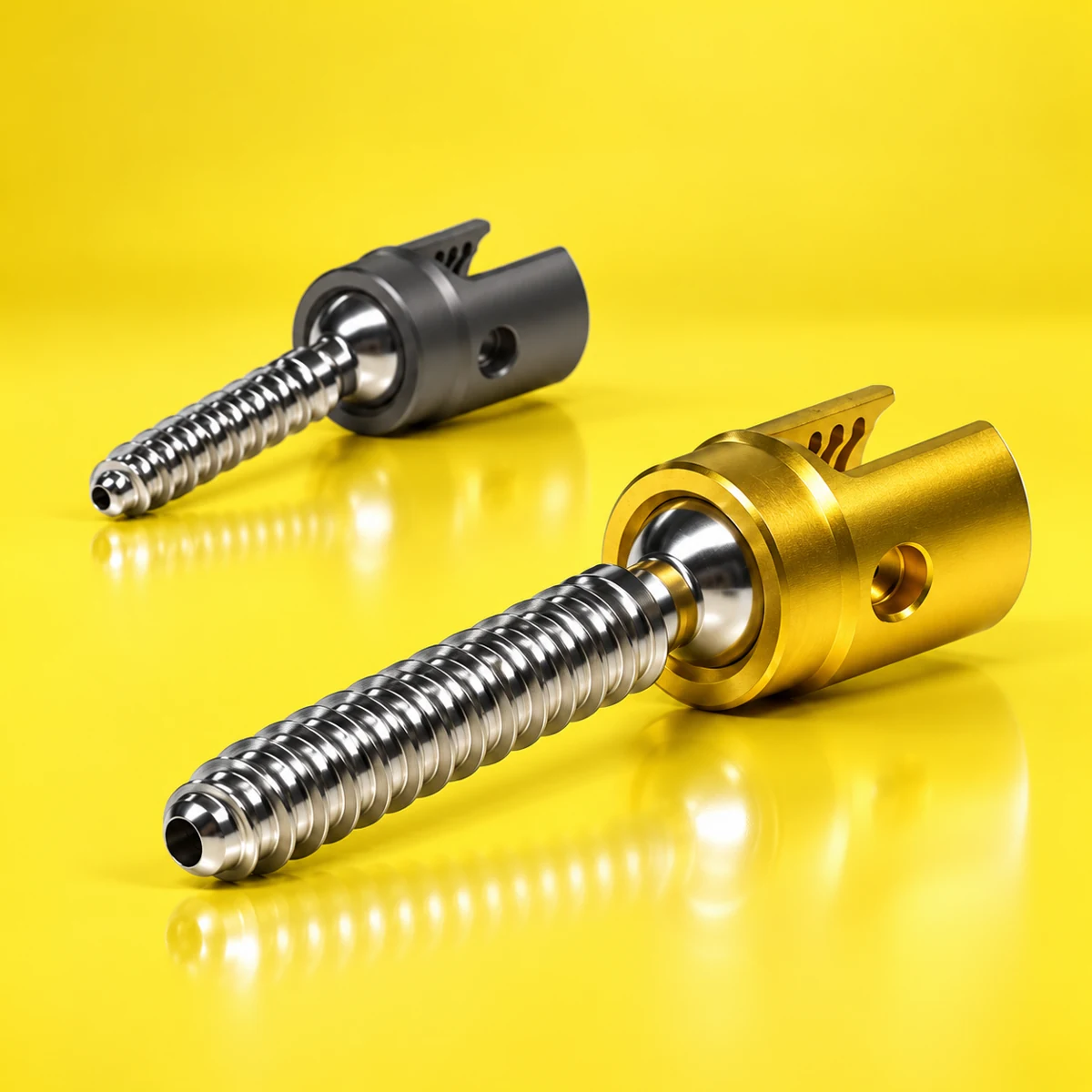
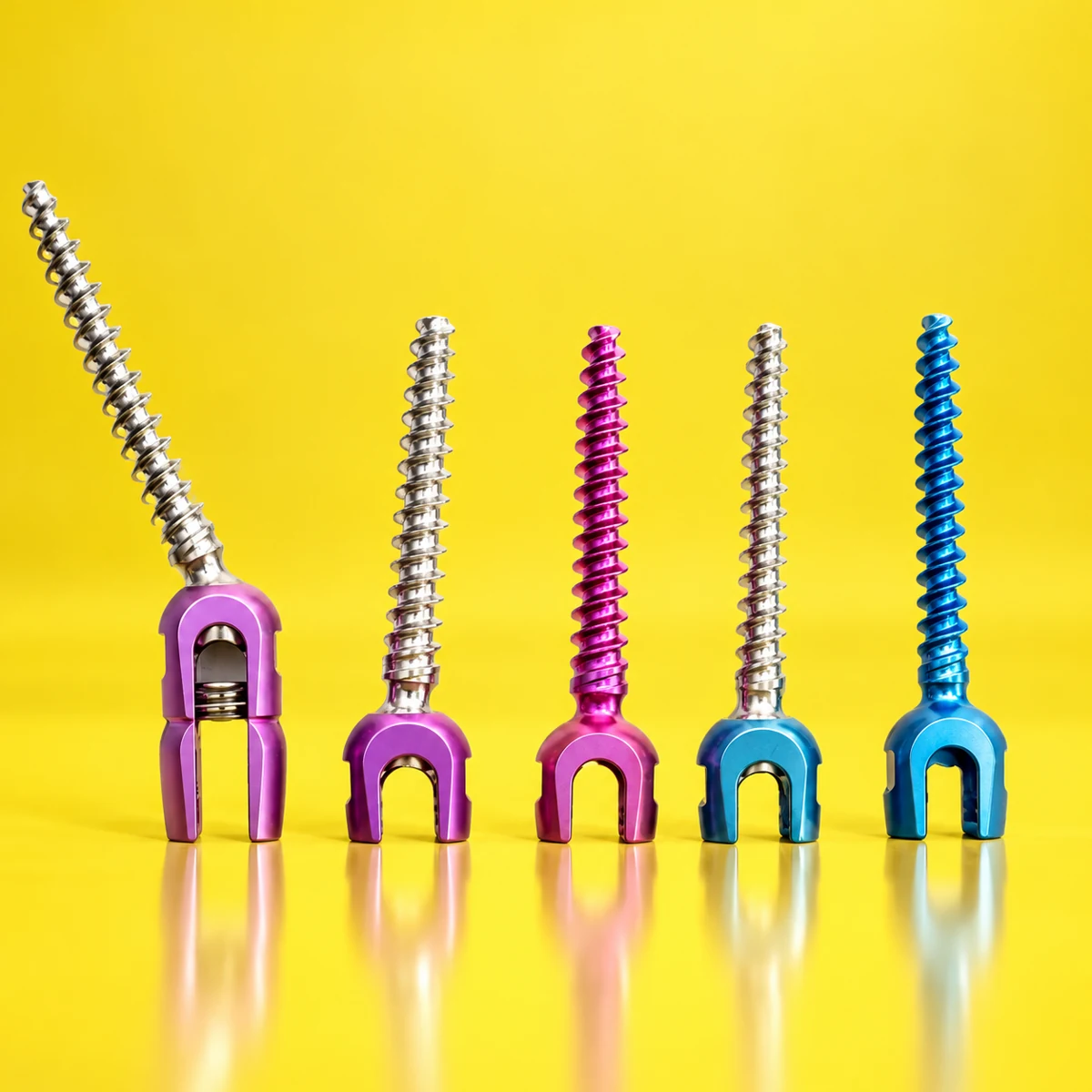
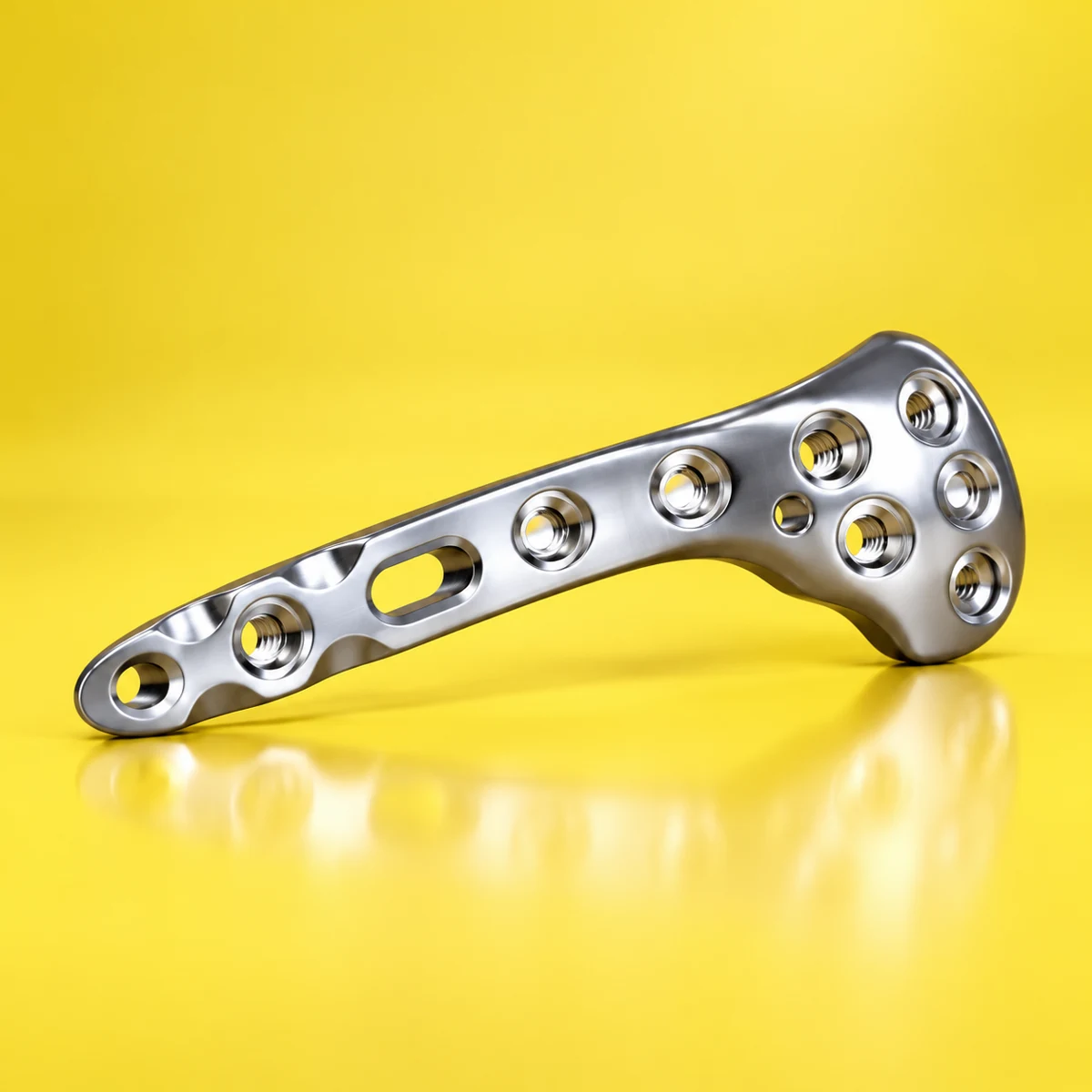
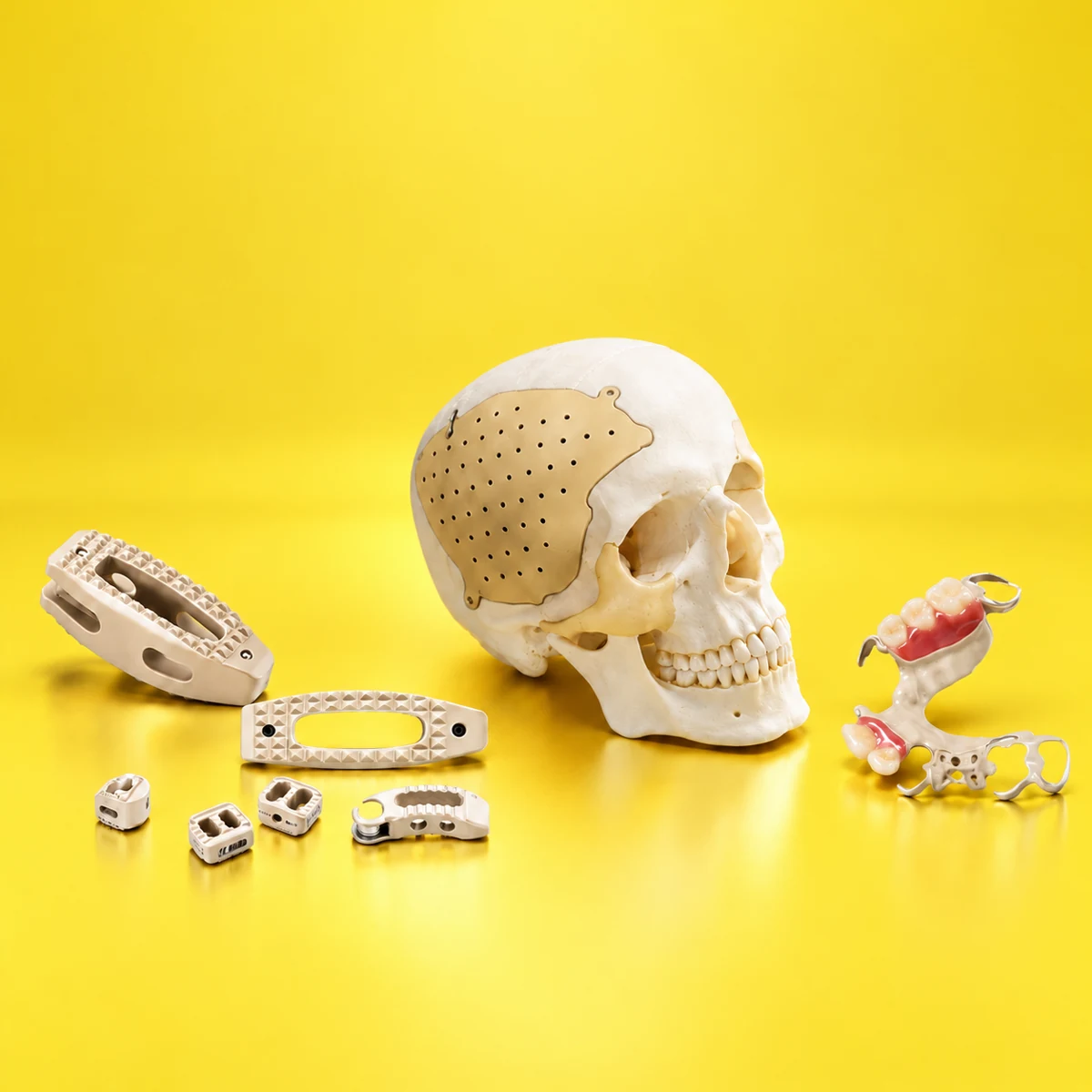
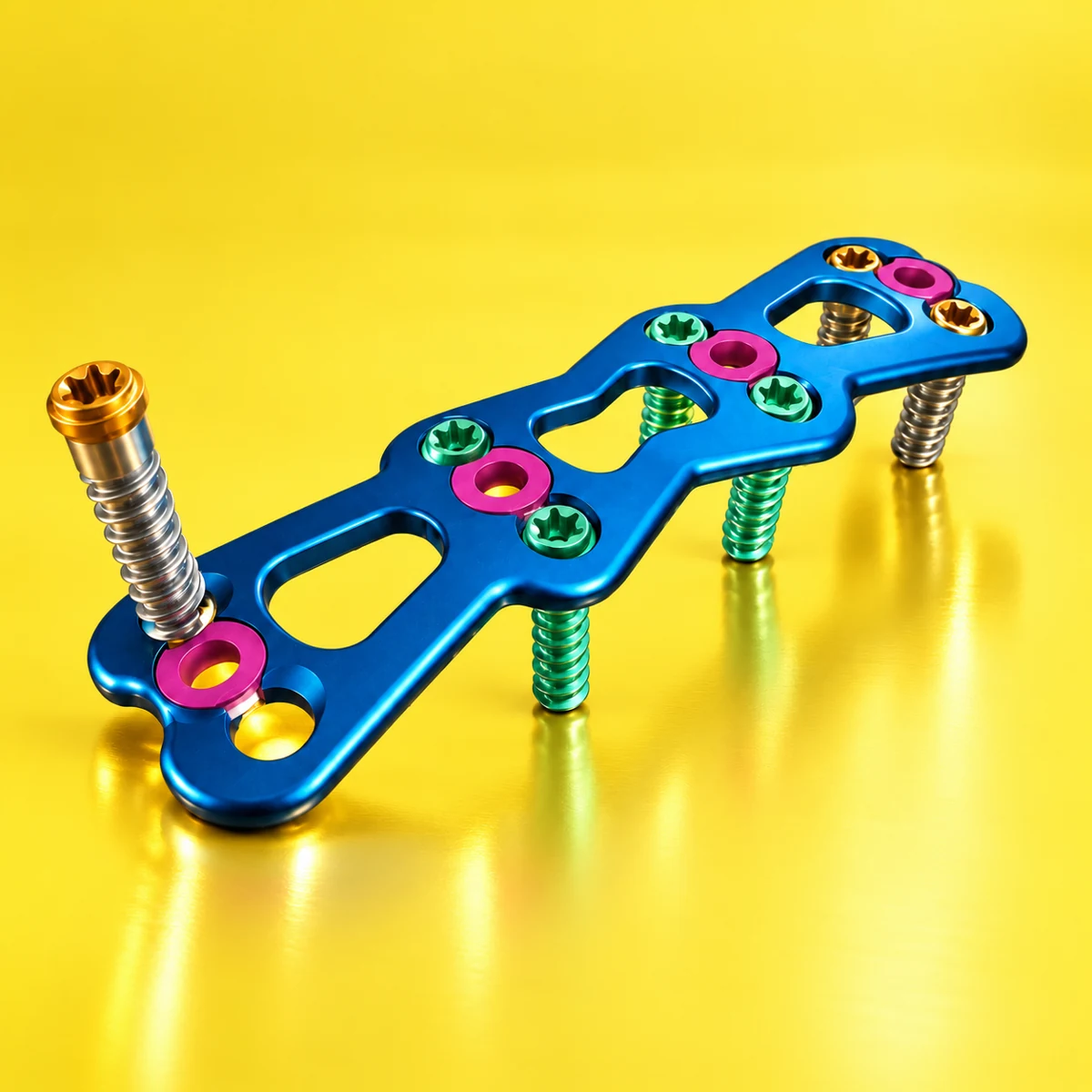
Orthopaedic and spinal components
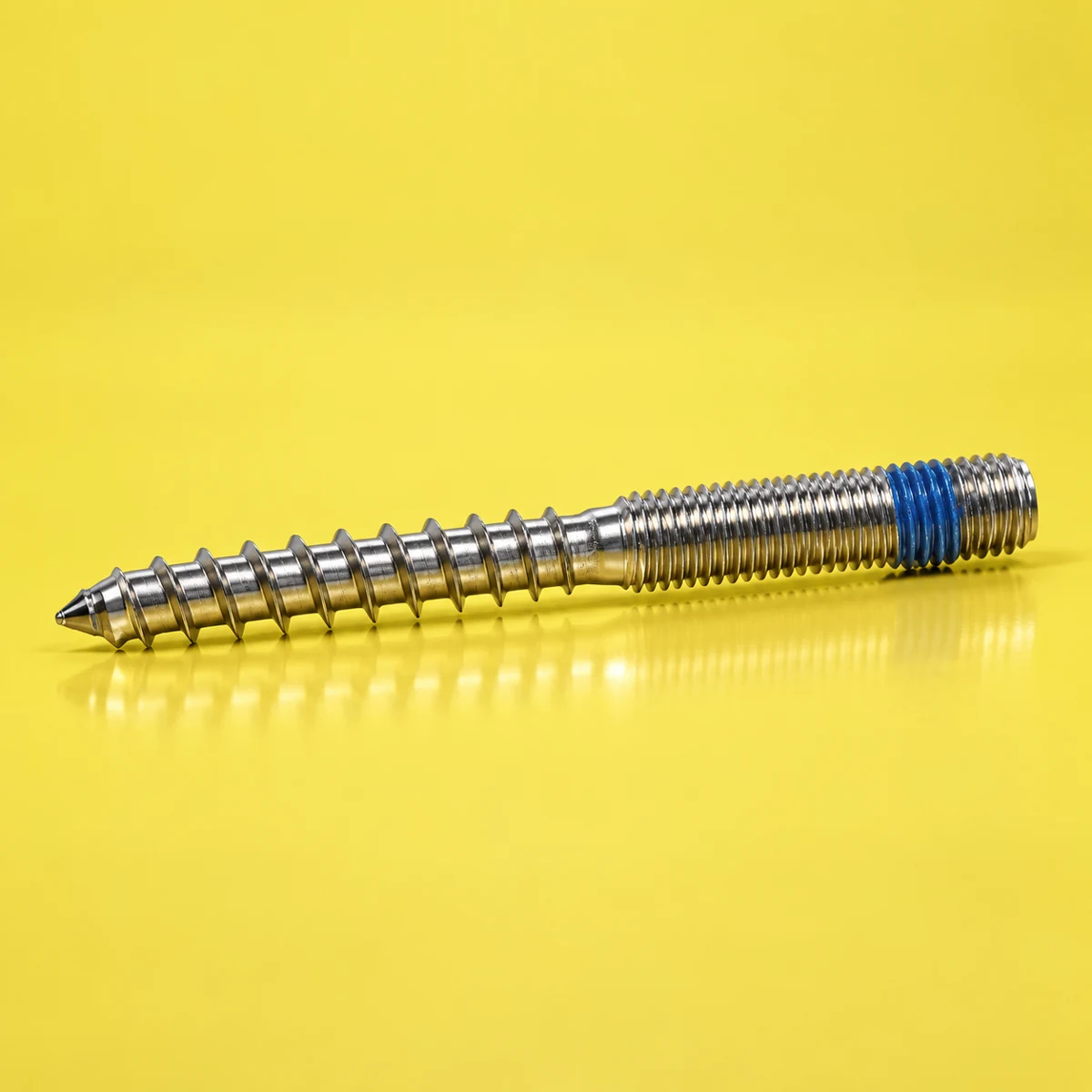
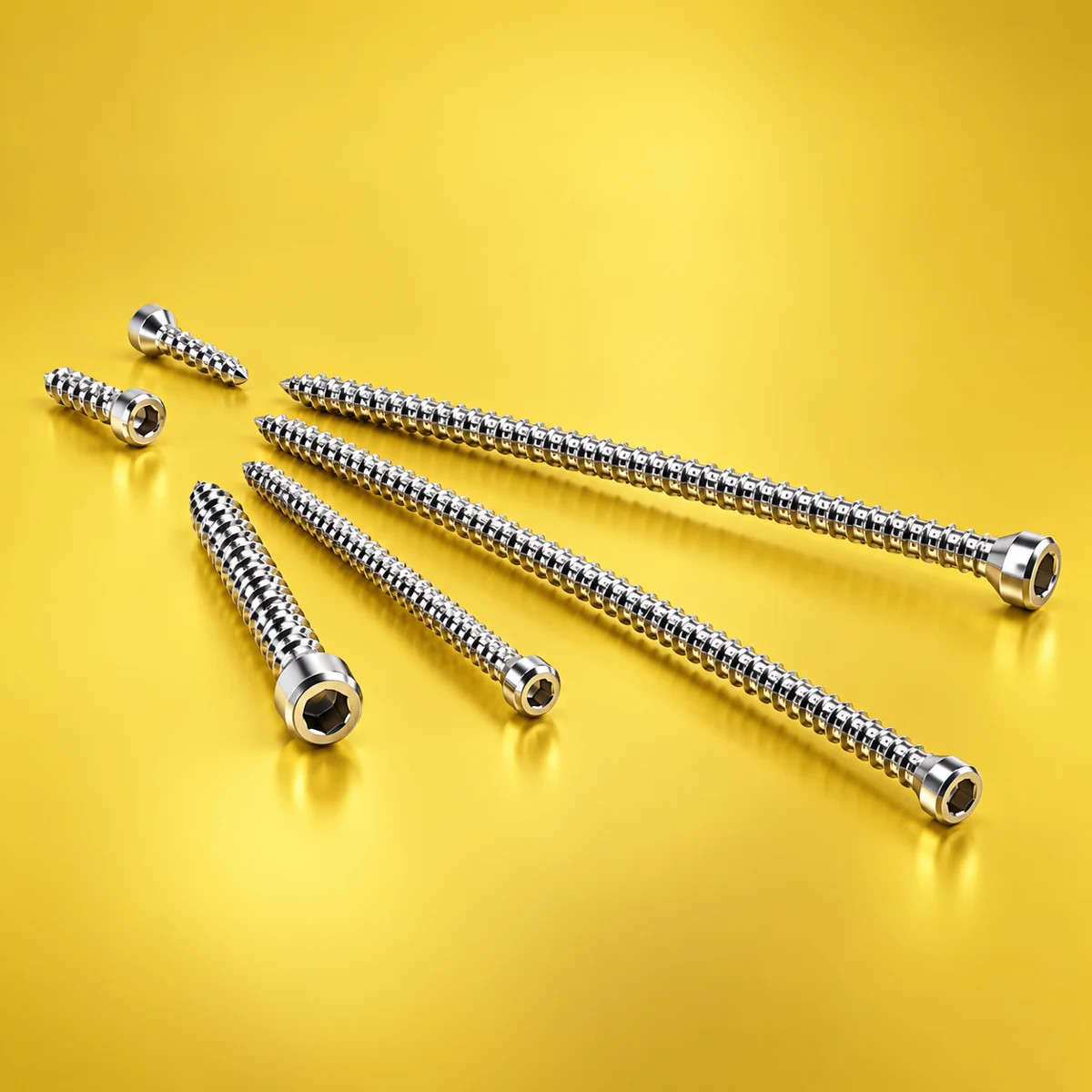
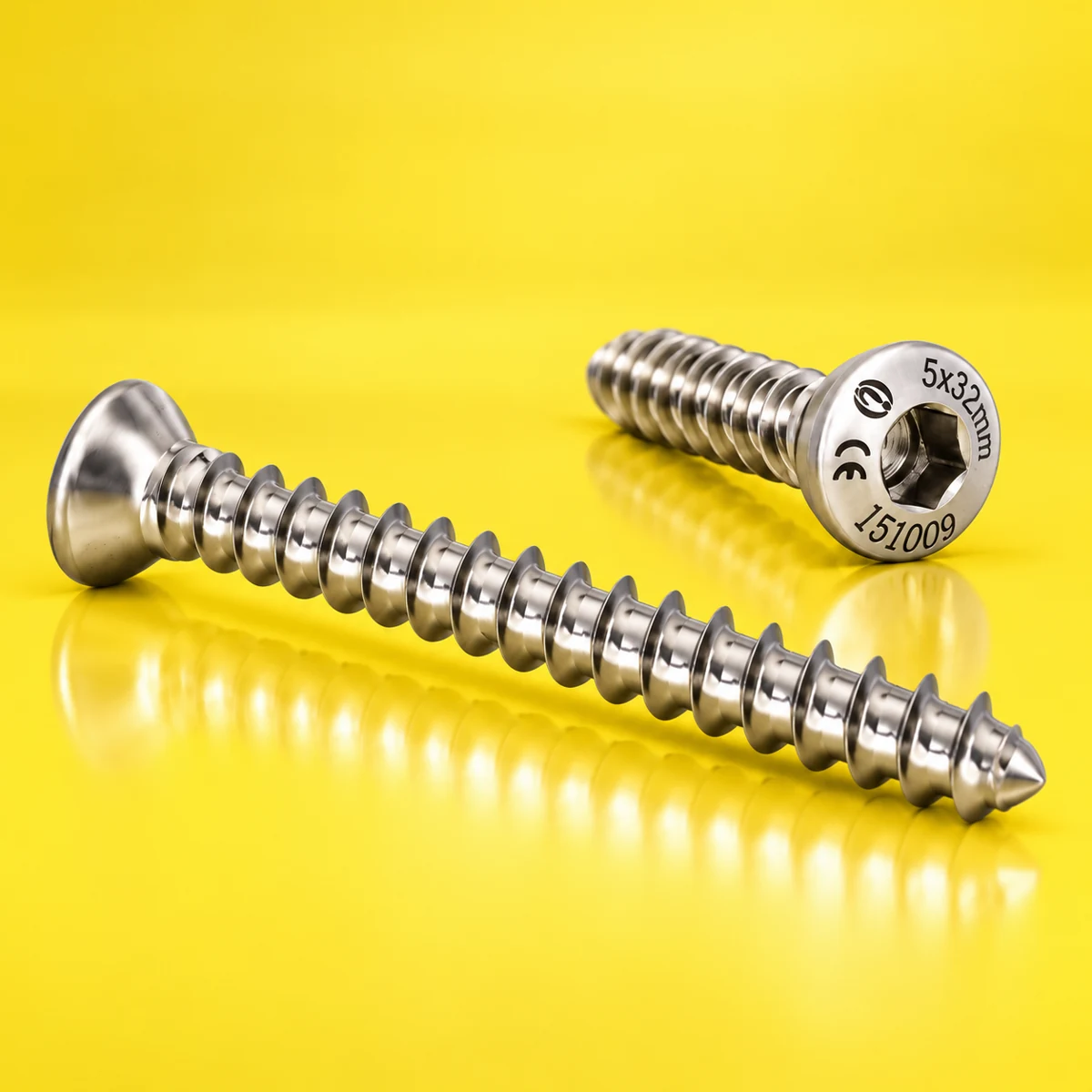
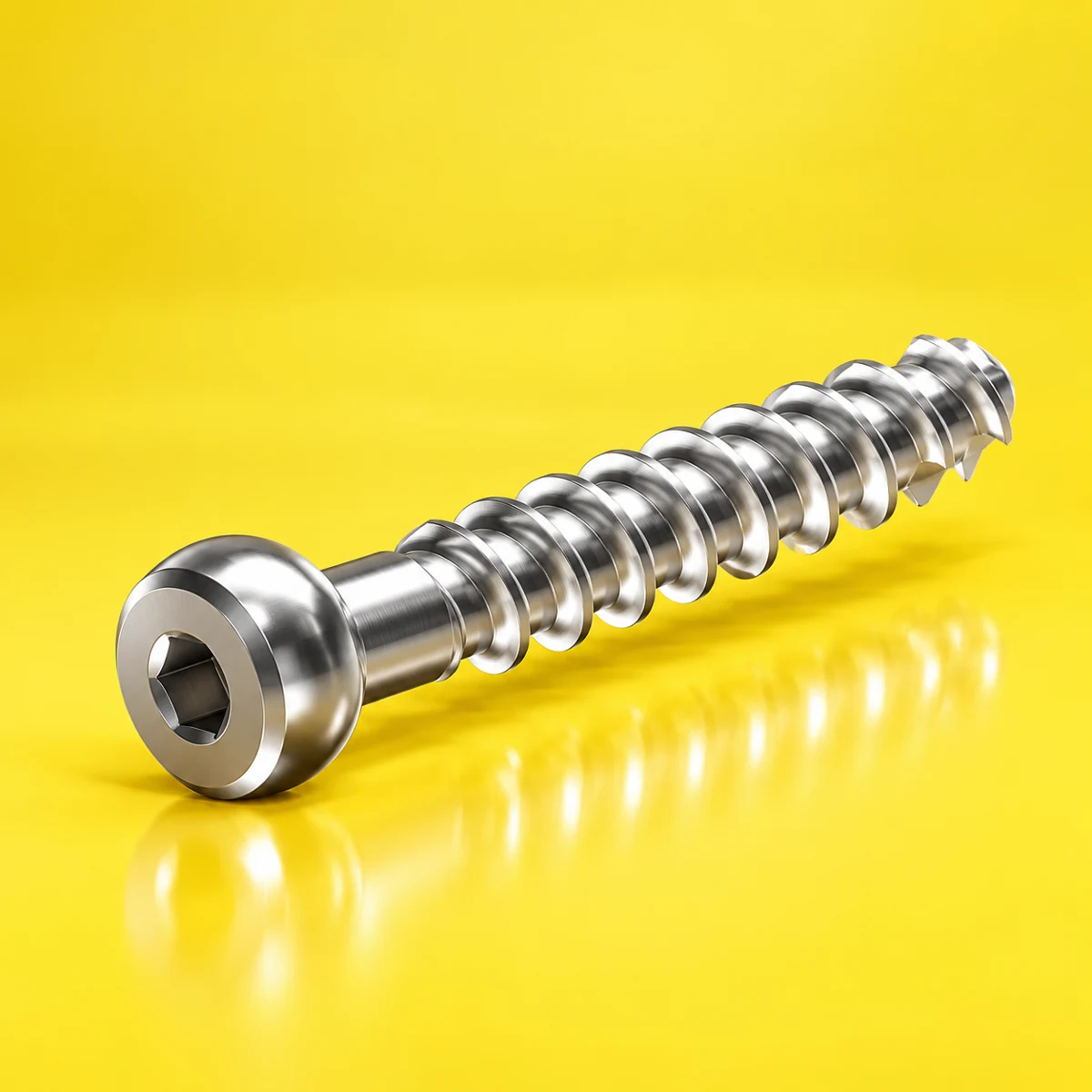
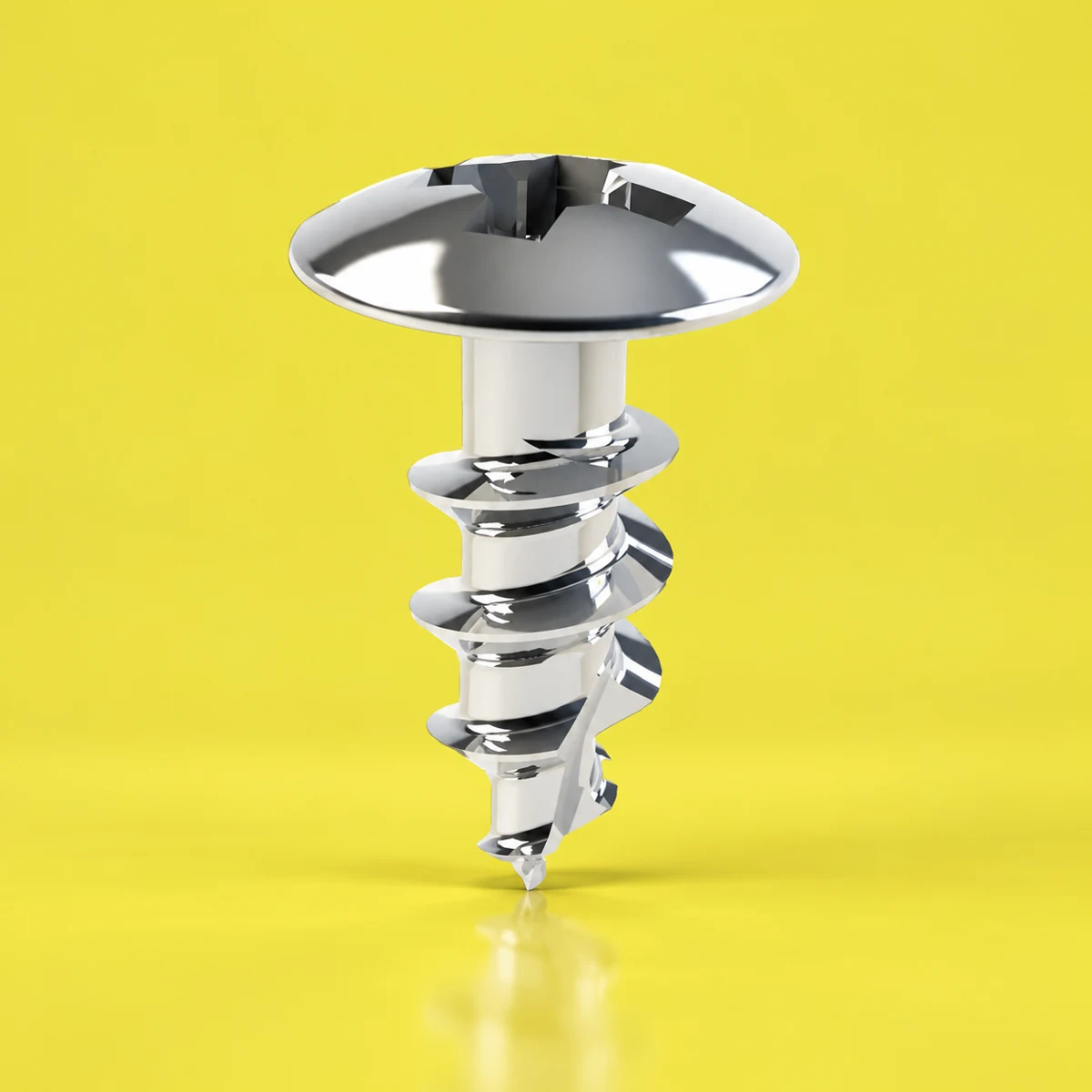
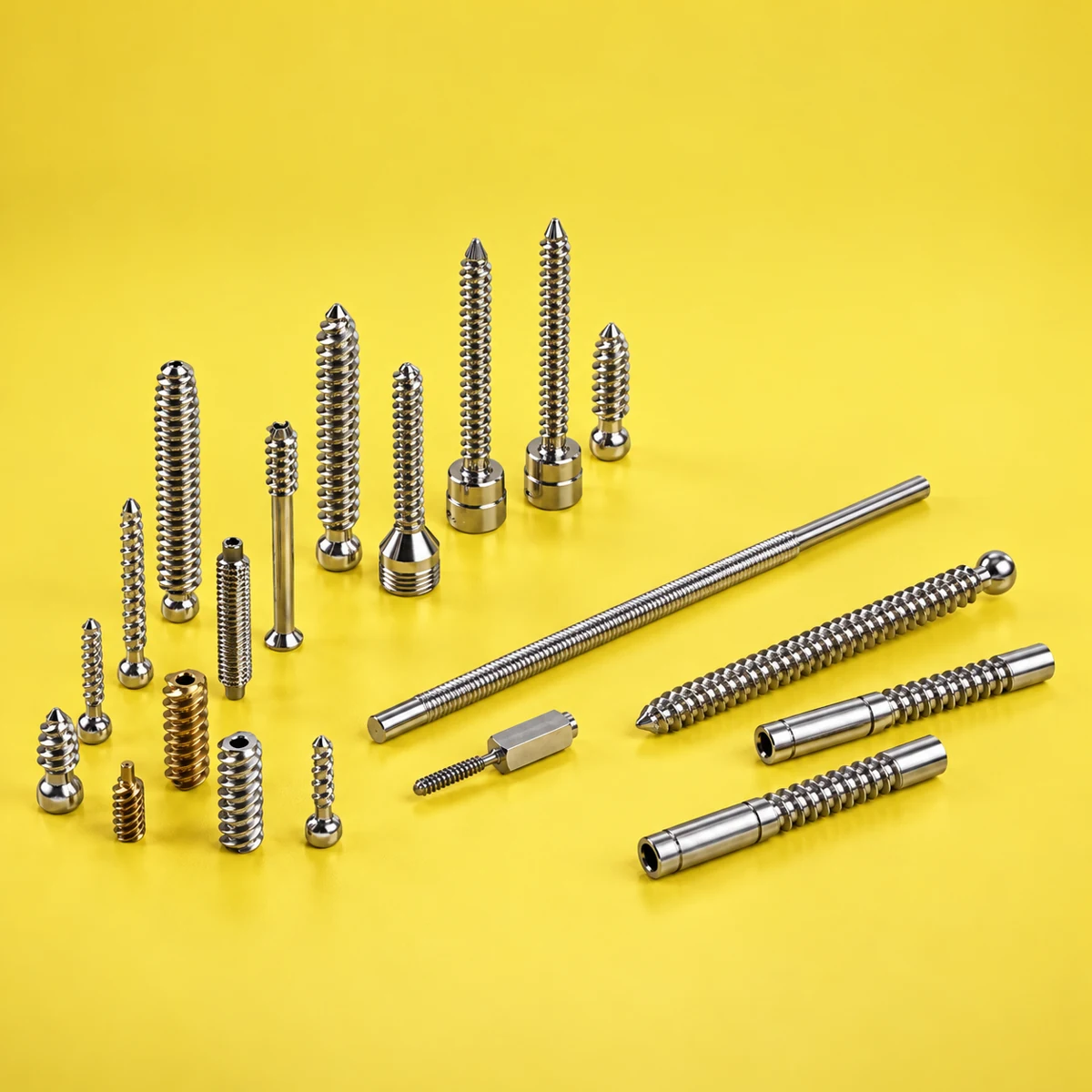
- Orthopaedic screws used for fracture fixation
- Polyaxial screws
- Spinal pedicle screws
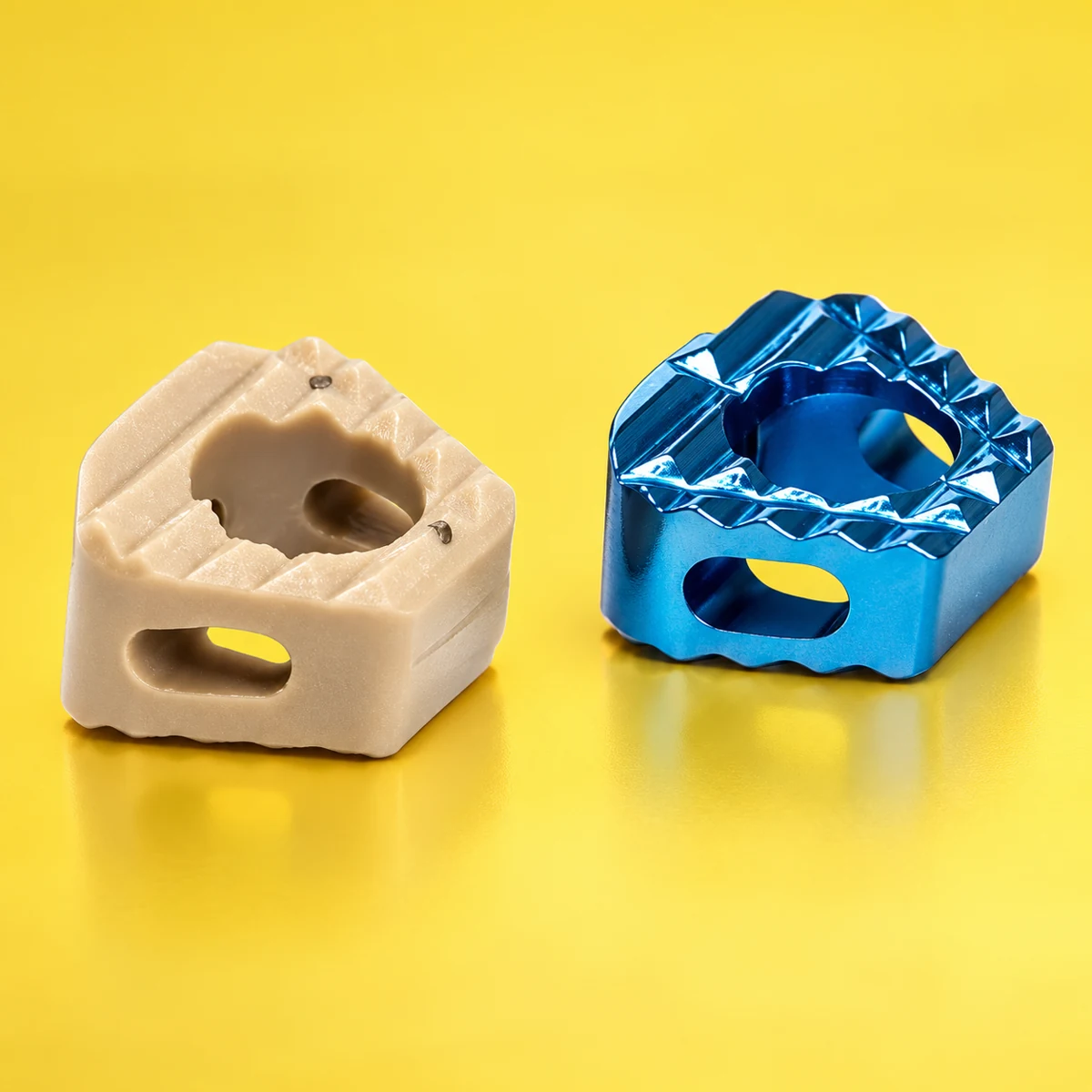
- Titanium and PEEK cervical cages
- Lateral mass screws
- Bone plates and fixation devices
Dental implants
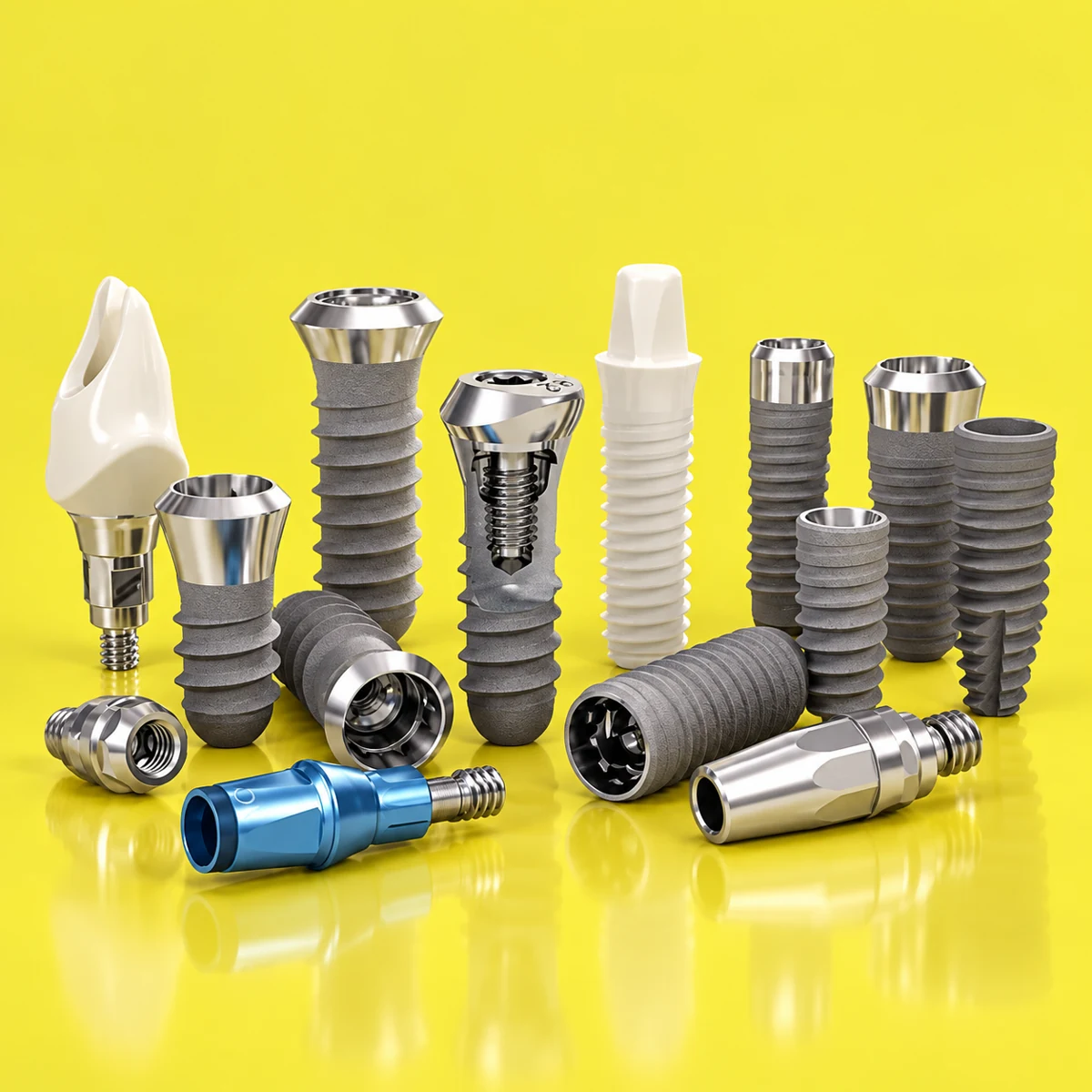
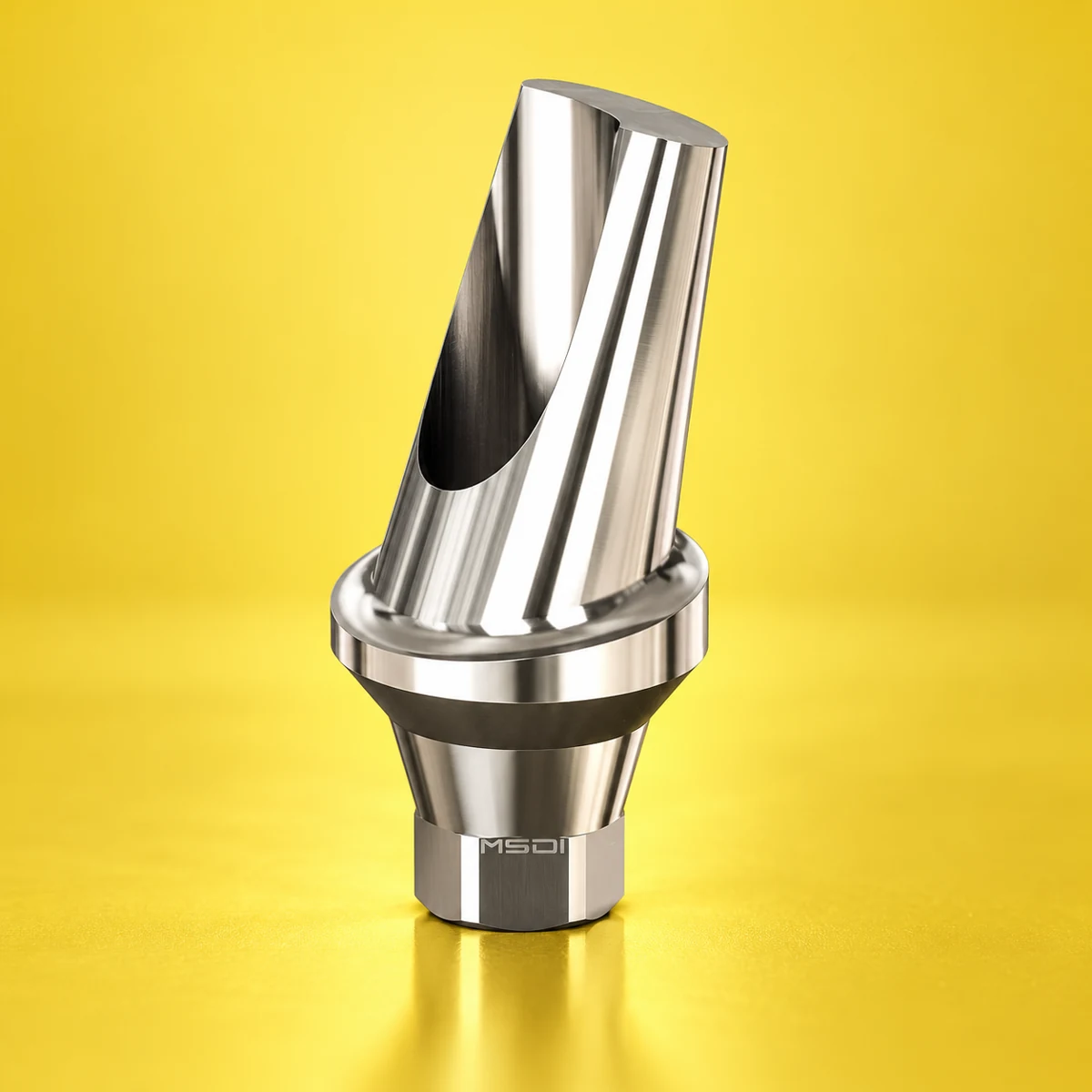
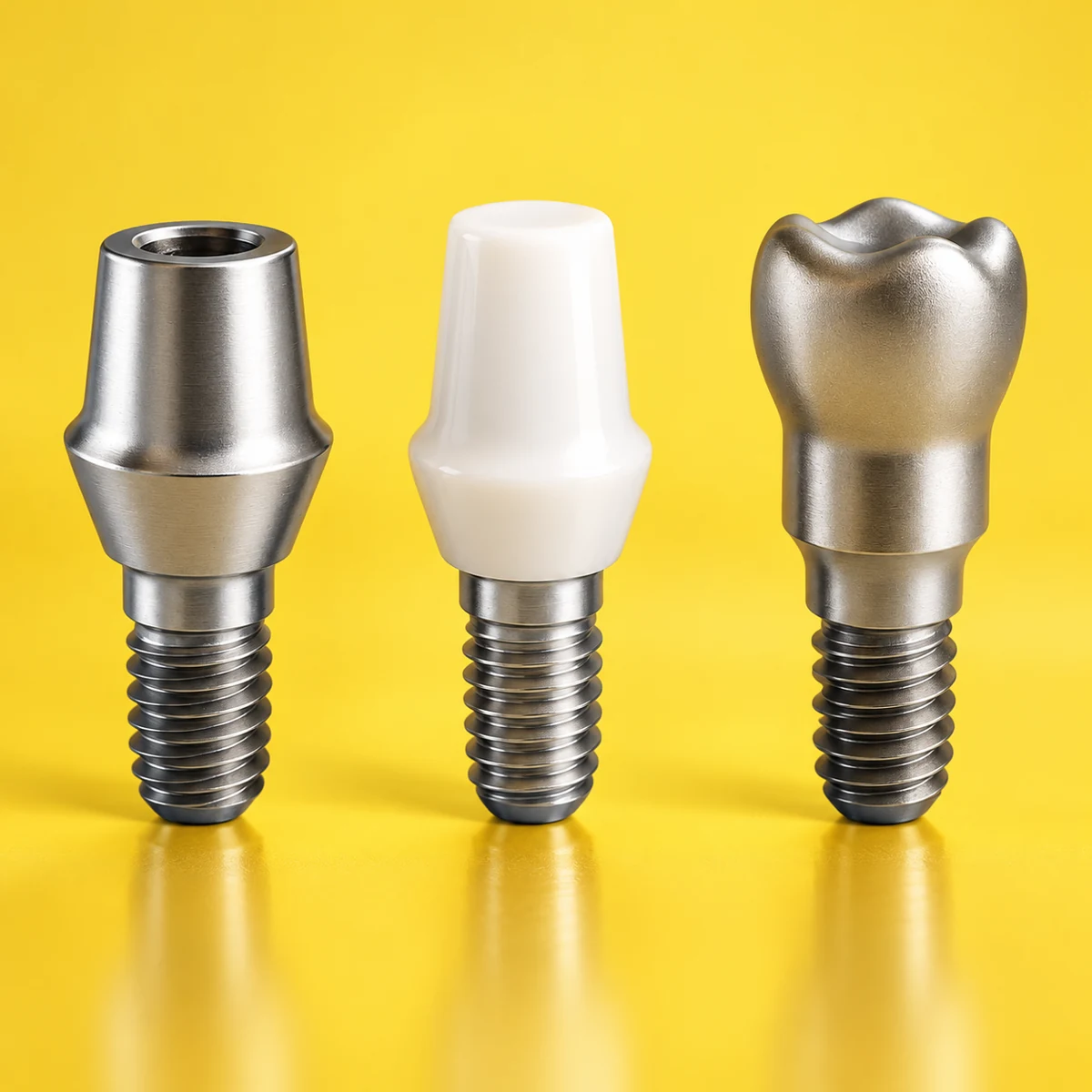
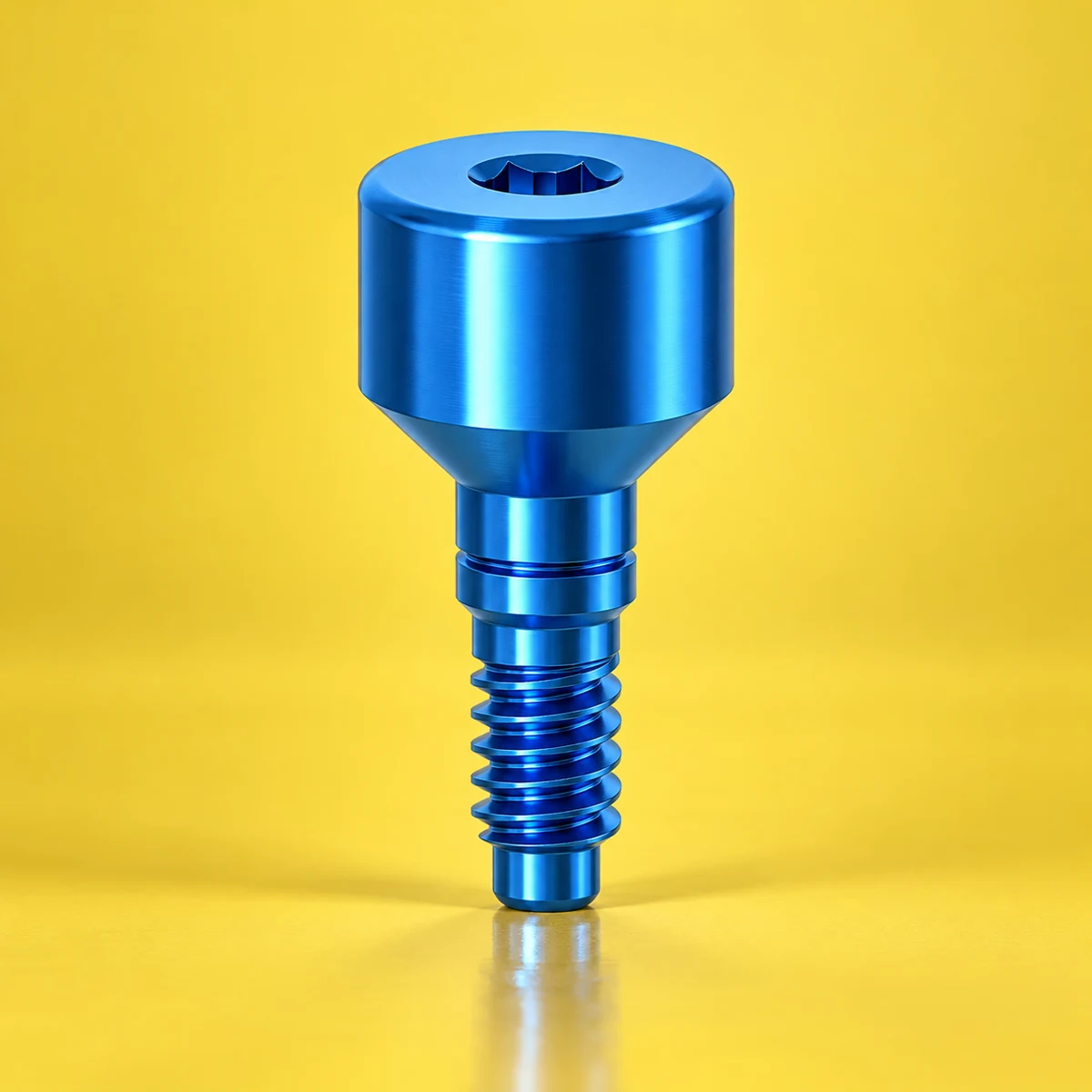
- Dental implants (fixtures)
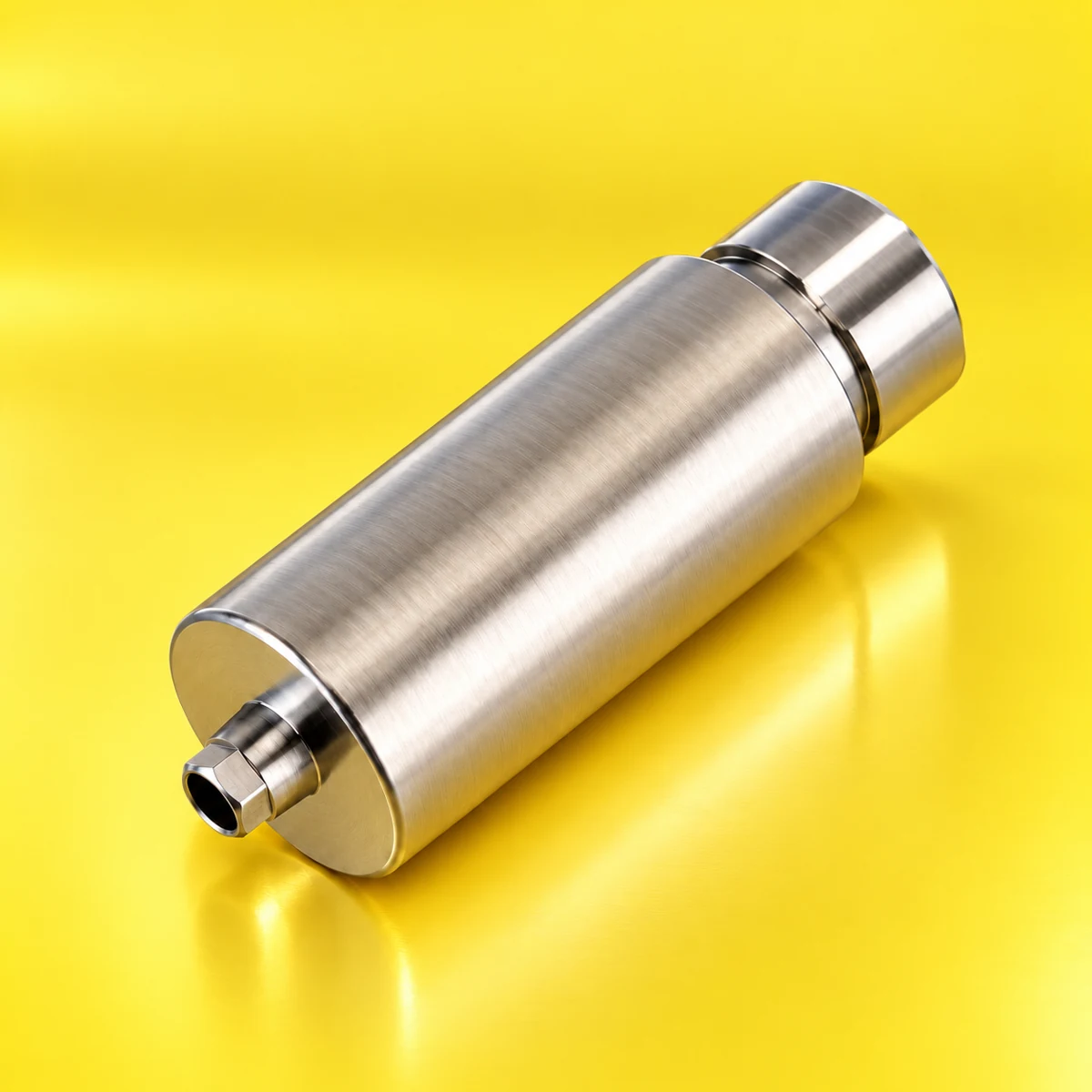
- Premilled blanks
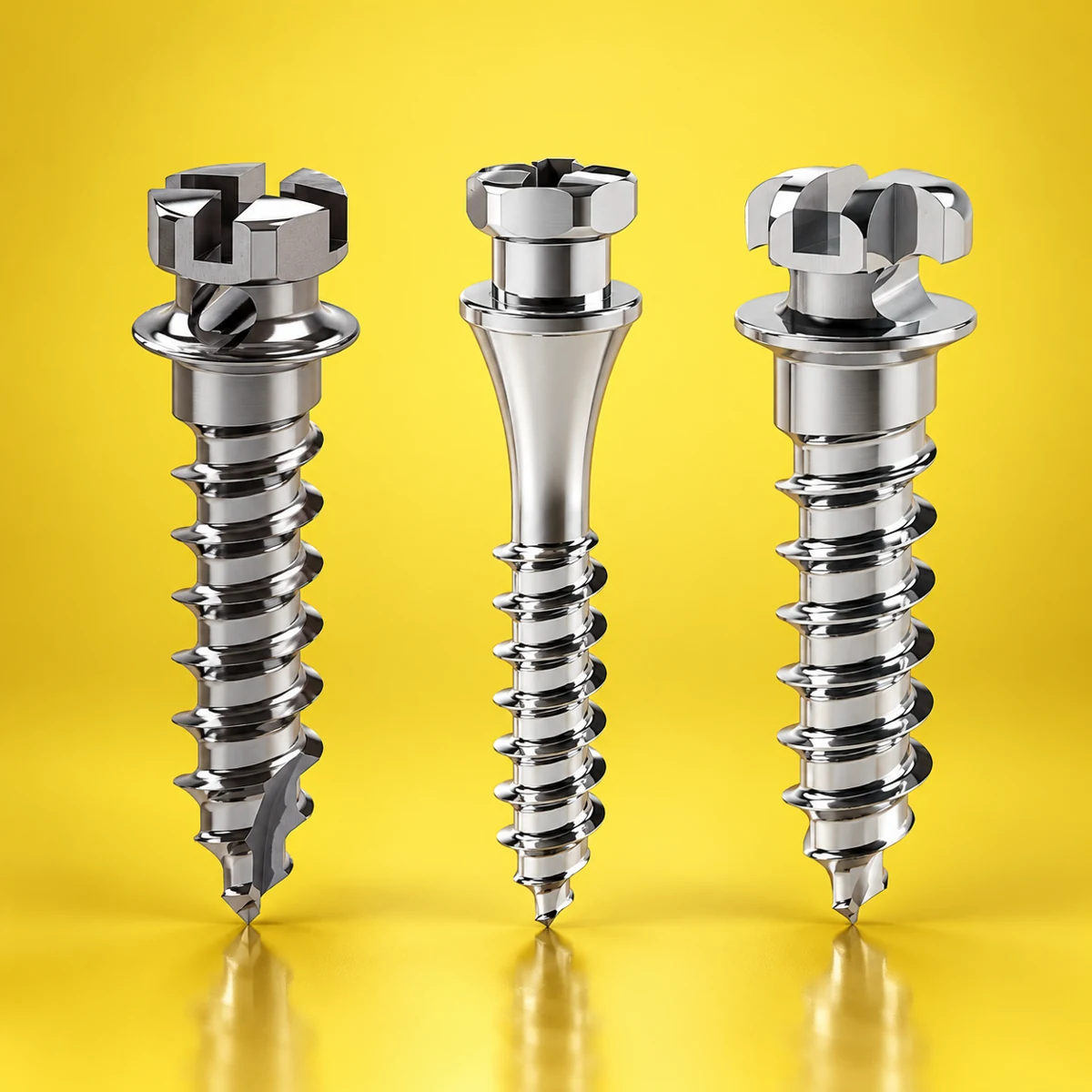
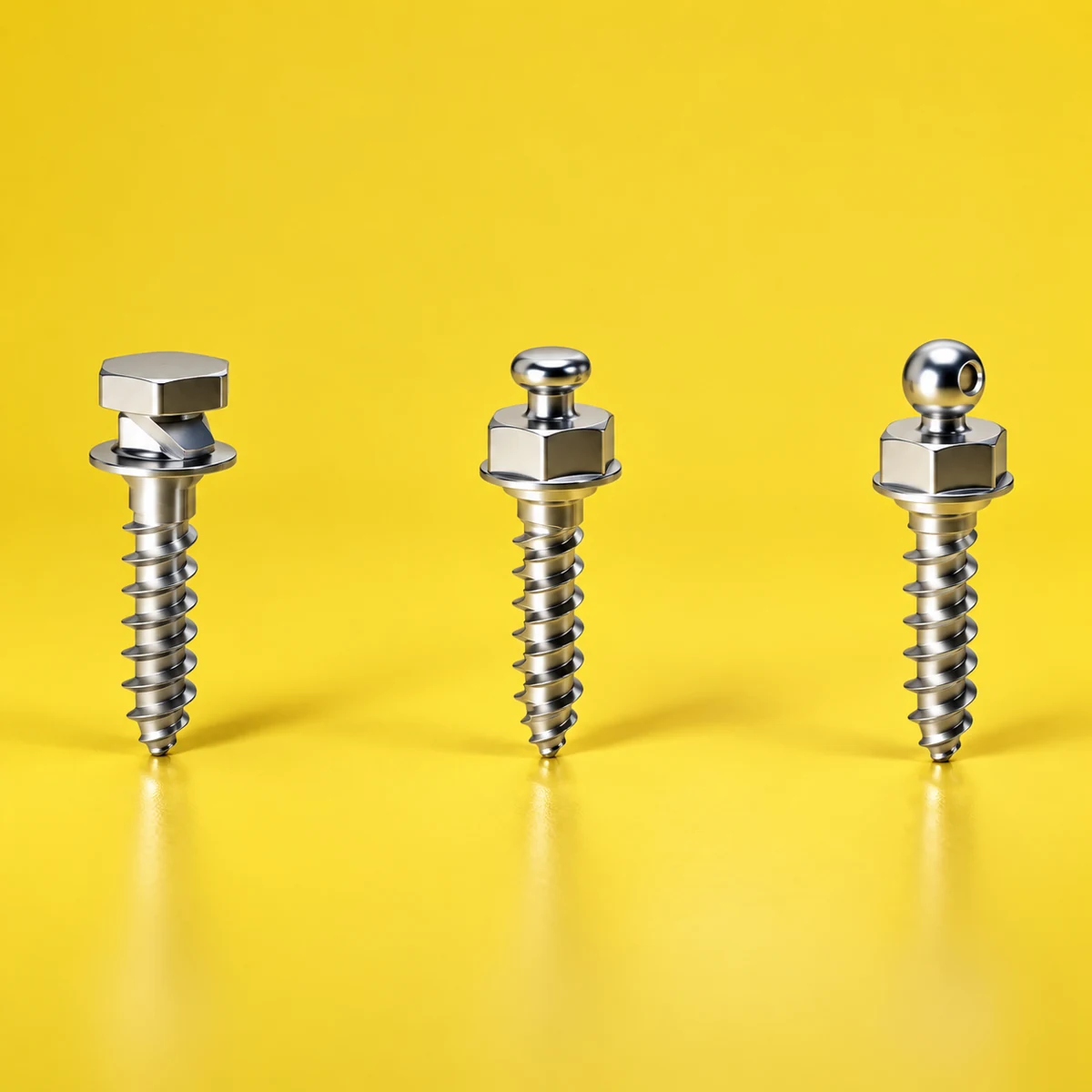
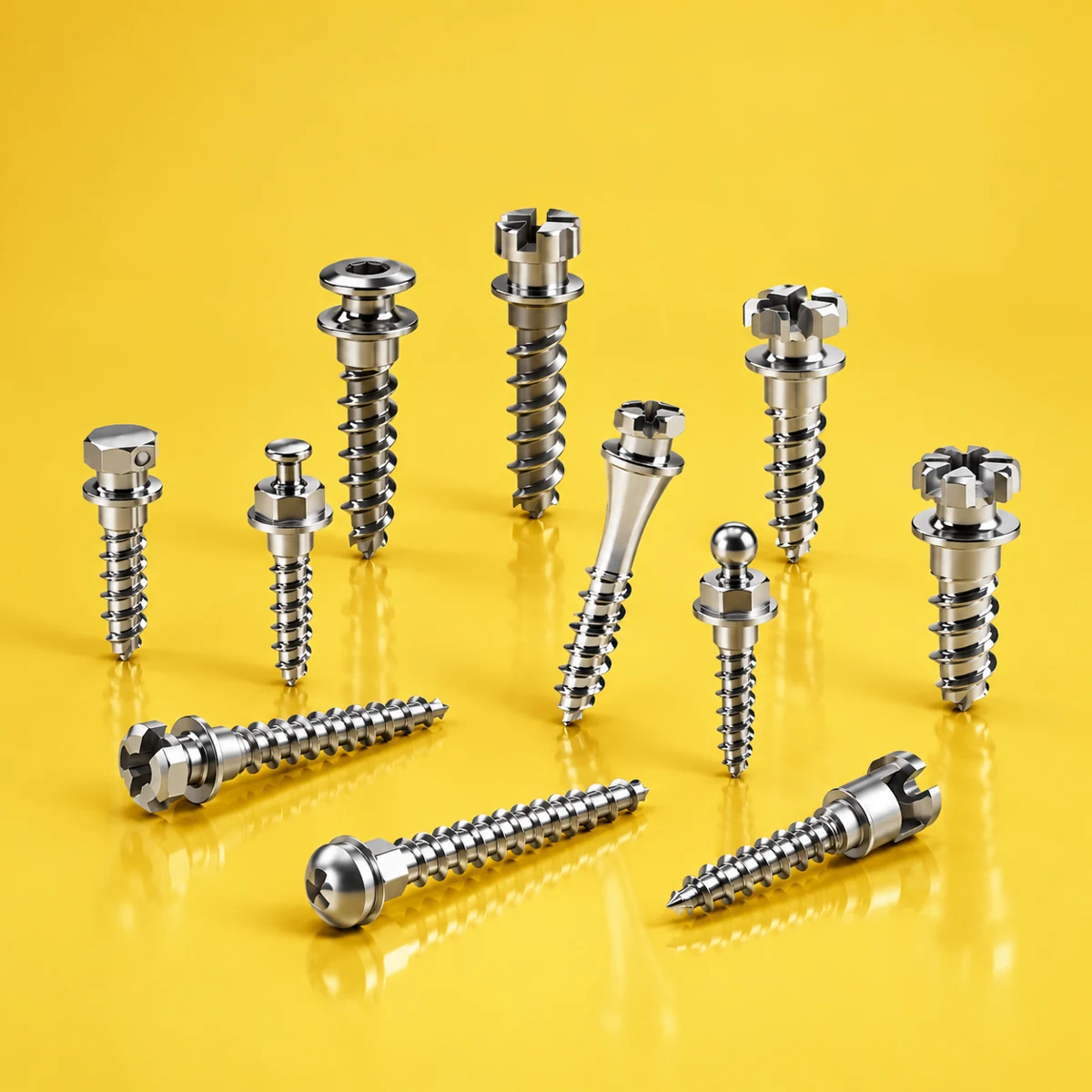
- Orthodontic screws
- GBR micro screws
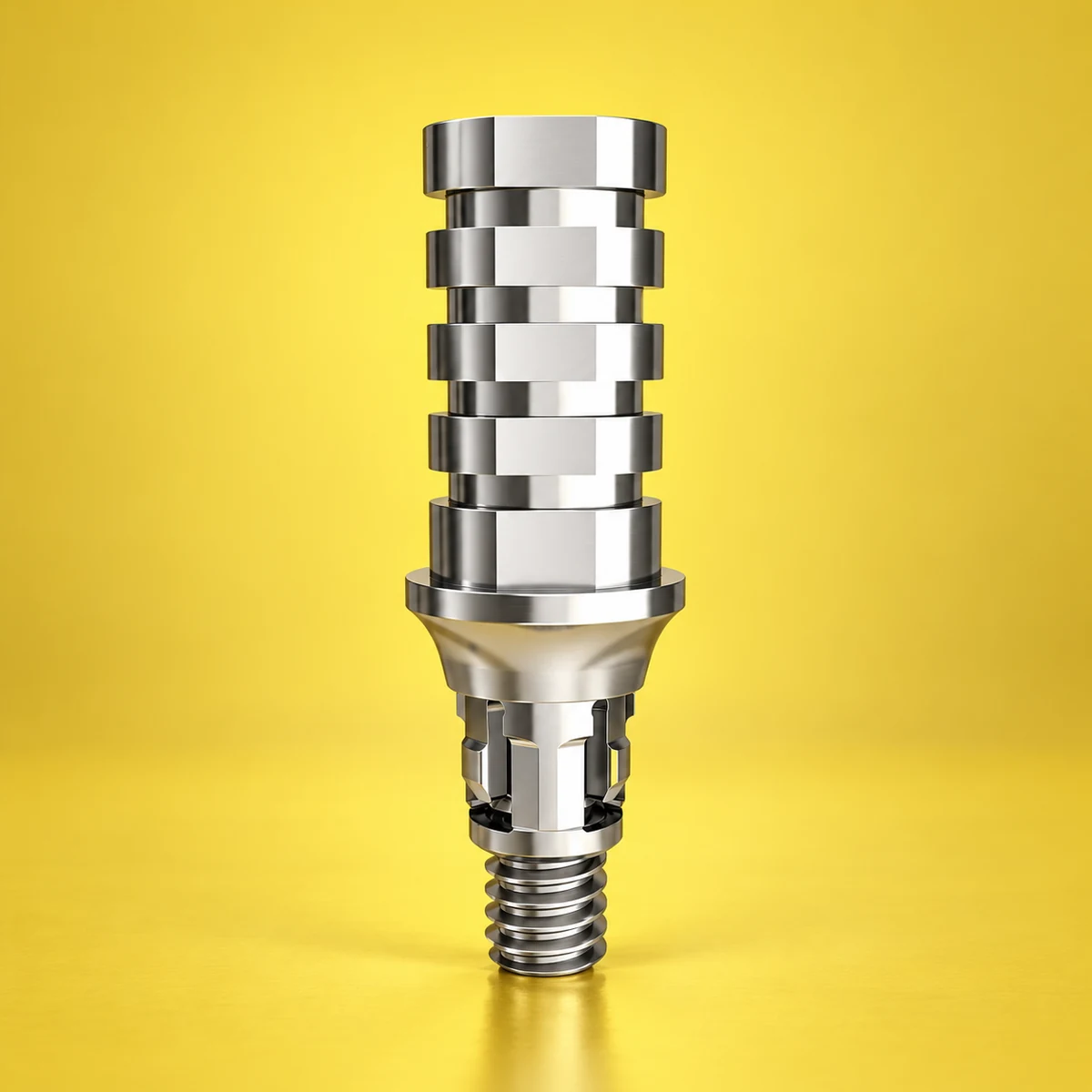
- Abutments
- Healing abutments
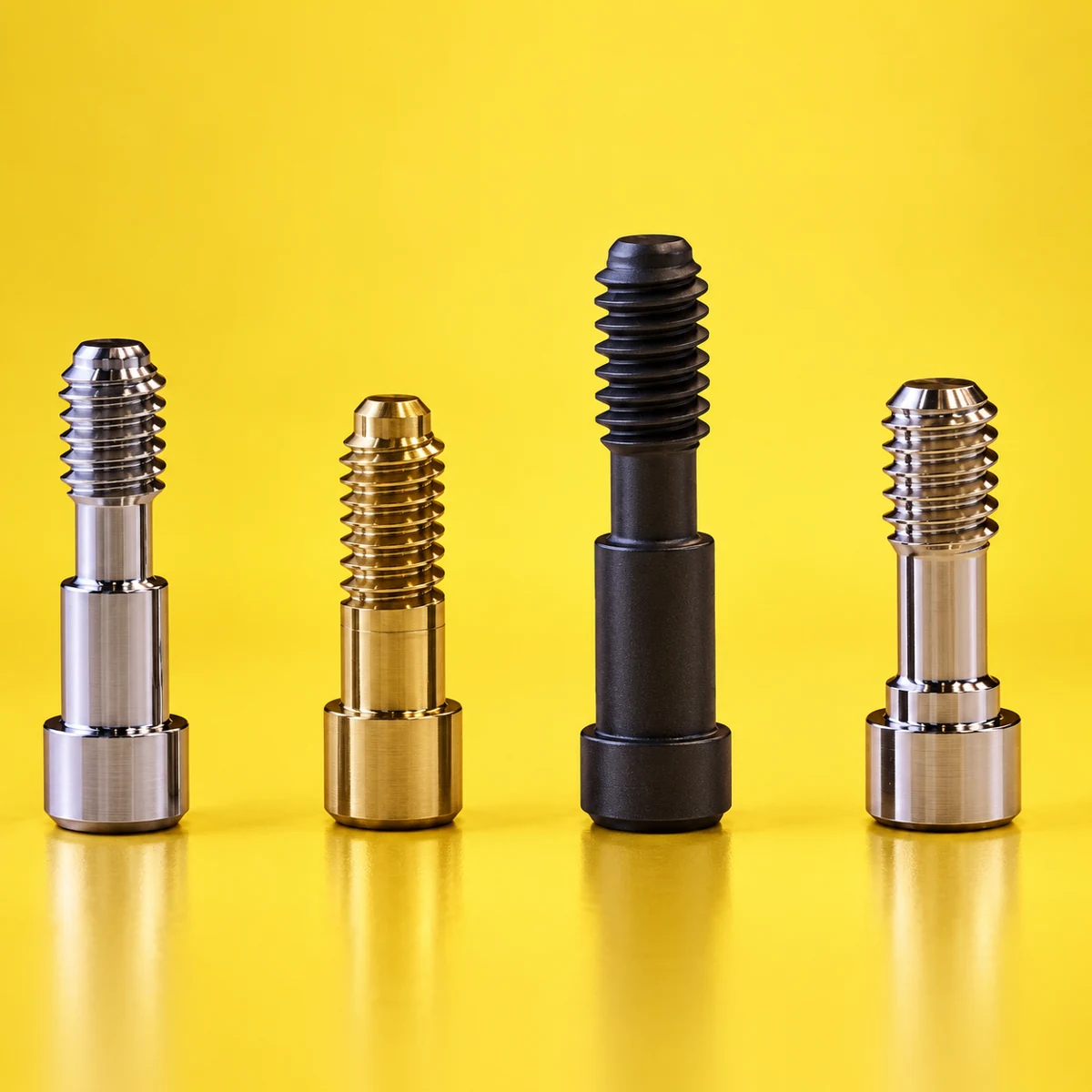
- Impression components and other dental accessories
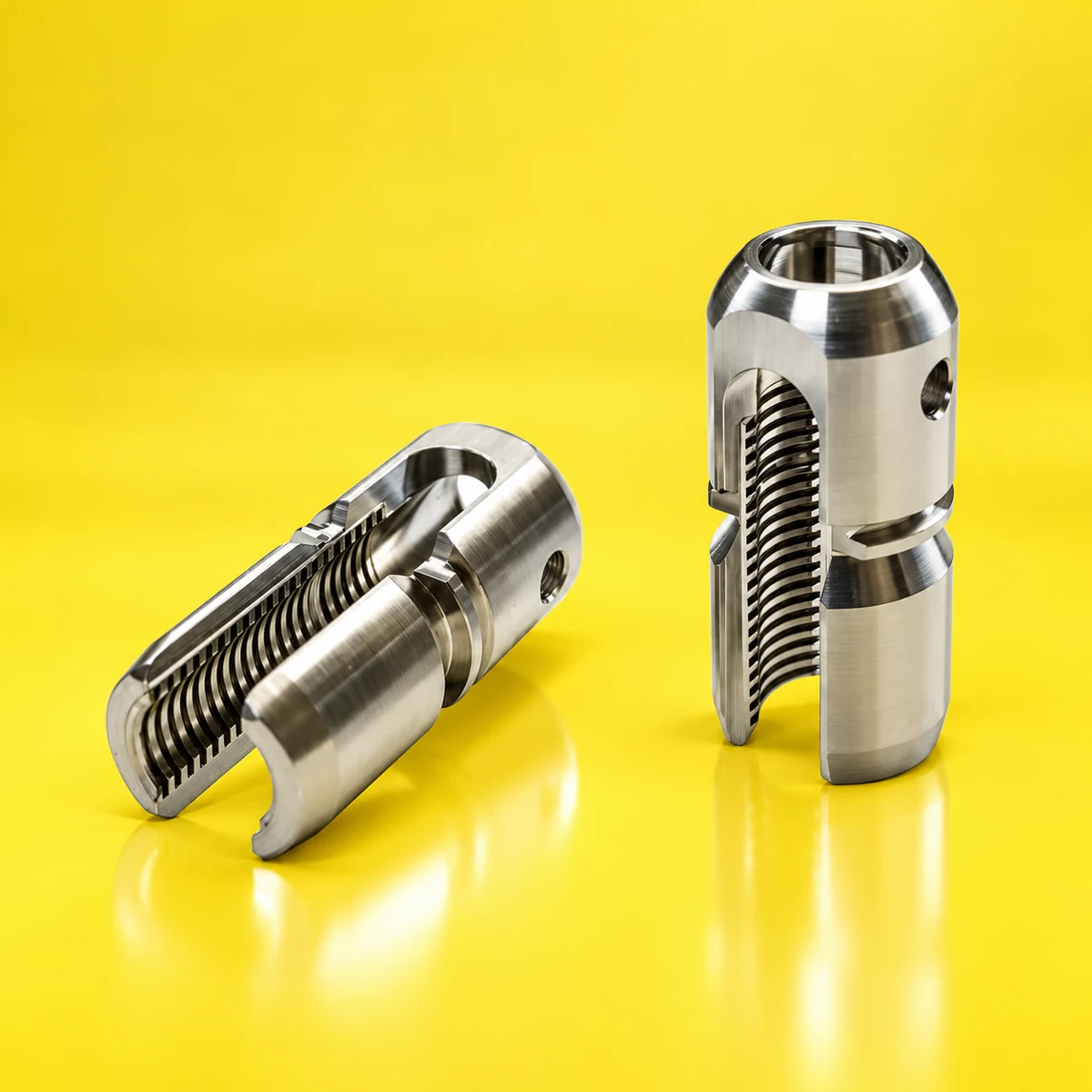
Why are Swiss-type machines a suitable option for medical products?
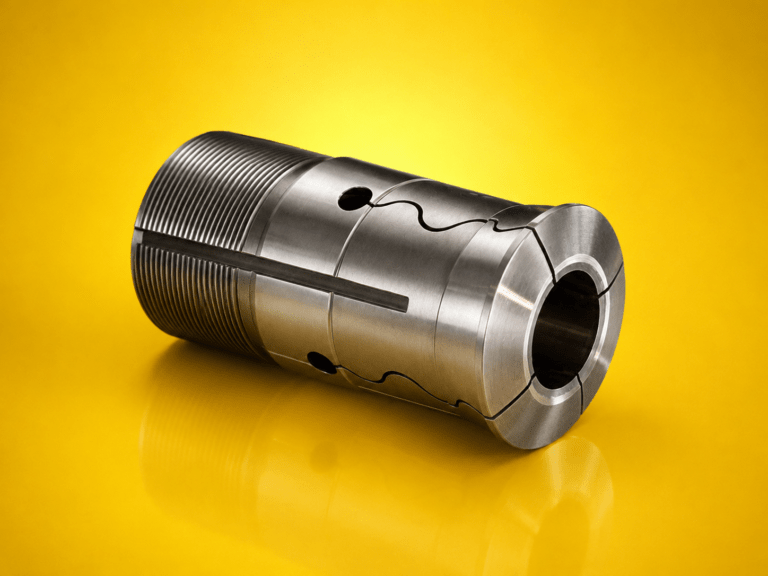
Very high accuracy and tight tolerances
Medical parts commonly have very strict tolerances. The Swiss-type design helps maintain dimensional accuracy and repeatability in production and produces a high surface quality.
Well suited to small, complex parts
Many medical components have very small diameters. Swiss-type machines are designed specifically for machining delicate, miniature parts.
Good performance on long, small-diameter parts
Bone screws, spinal implants and many medical parts have a high length-to-diameter ratio. With the guide bushing and Swiss-type structure, the risk of part deflection and vibration is reduced.
Complex processes in one cycle
Swiss-type machines can carry out several operations in one setup:
- Turning
- Milling
- Cross drilling
- Thread whirling
- Rotary broaching
This reduces errors caused by moving the part between setups.
High output in large-volume production
Medical-device manufacturers commonly need large quantities of parts with consistent quality. Swiss-type machining supports continuous, high-output production.
Good compatibility with common medical materials
Swiss-type machines can machine common medical materials, including titanium alloys, stainless steel, cobalt-chromium alloys and PEEK.
Common materials used for medical implants
Titanium alloys
Titanium is the main material used for medical and dental implants.
- Good biocompatibility
- High strength-to-weight ratio
- High corrosion resistance
- Suitable for long-term implantation in the body
Applications: dental implants, bone screws, spinal implants and bone-fracture fixation systems.
Stainless steel
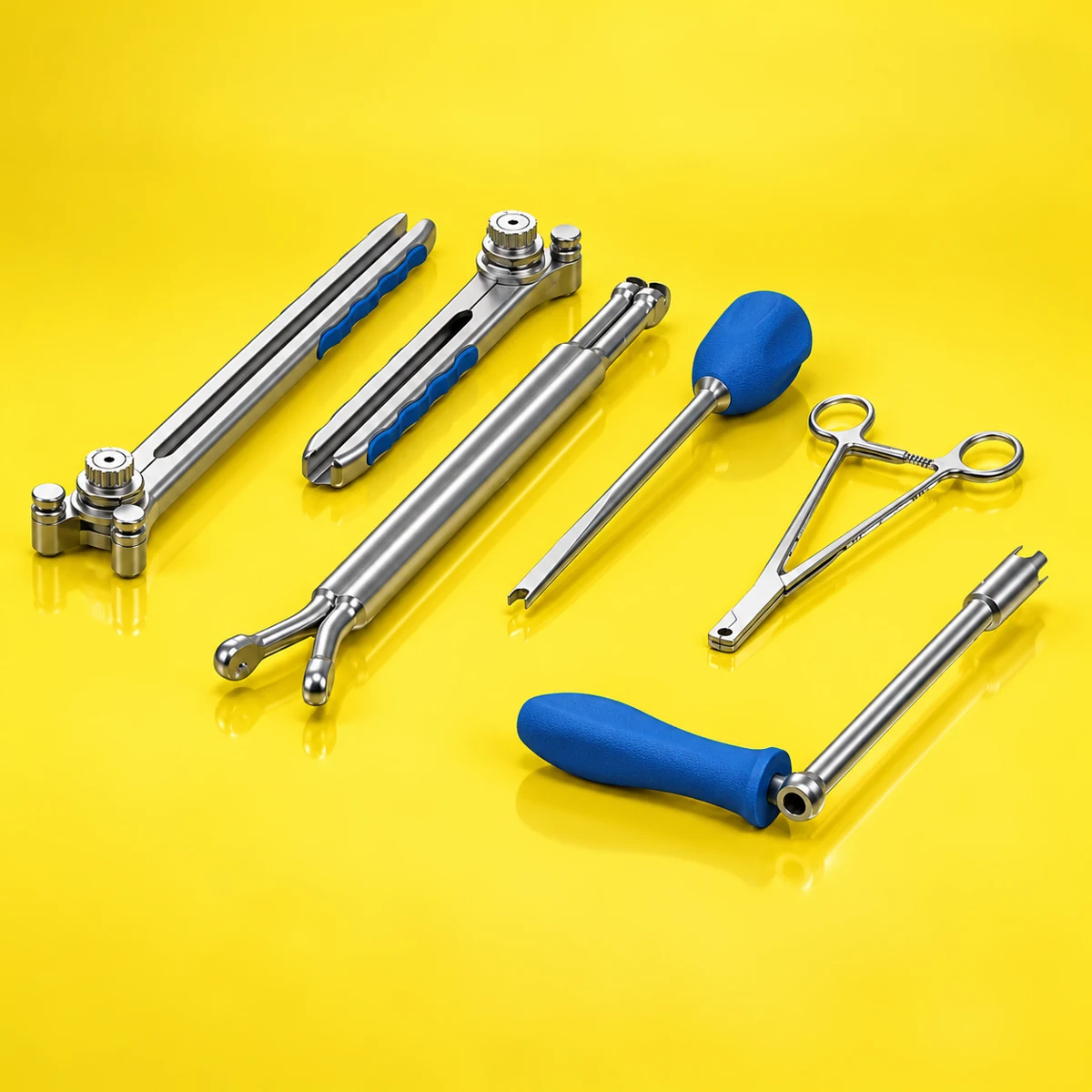
Some medical-grade stainless steels are still used in many instruments and implants because of corrosion resistance, high strength, cost suitability and ease of machining.
Applications: bone plates, bone screws, surgical sets and temporary implants.
Cobalt-chromium alloys
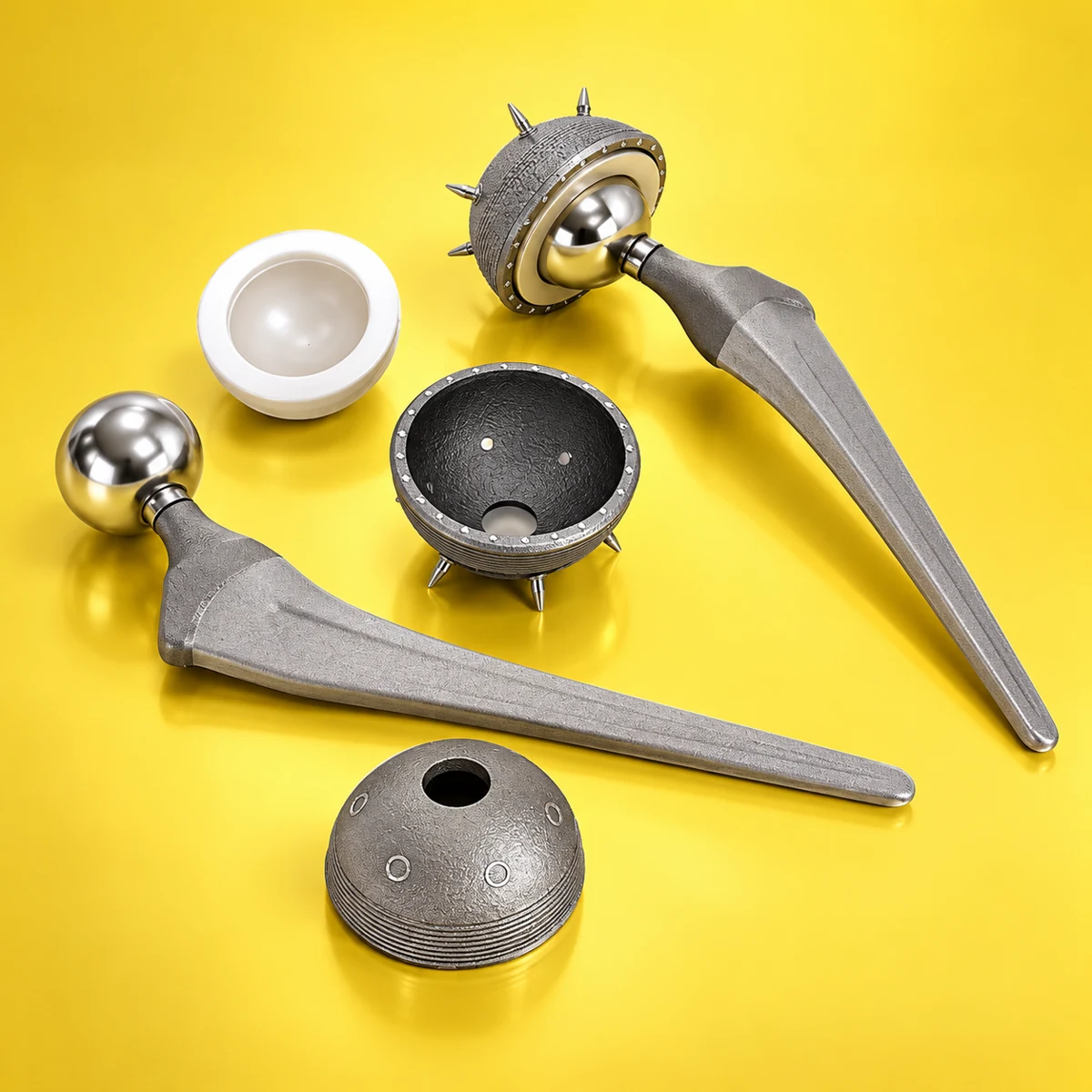
These materials are used in particular medical applications because of their wear resistance and high strength.
Applications: joint-replacement components, dental prostheses and orthopaedic implants.
PEEK (polyether ether ketone)
An engineering polymer that has replaced metals in some medical applications. It is lightweight, biocompatible, radiolucent and chemically resistant.
Applications: spinal implants, trauma devices and orthopaedic equipment.
Challenges in medical-product manufacturing
Very tight tolerances
Even small deviations can affect part performance. The challenges include maintaining dimensional accuracy in mass production, controlling process variation and keeping parts within tolerance.
Burrs remaining on parts
Burrs are not acceptable on medical parts. Typical challenges are burr formation in holes and at edges, and the difficulty of deburring small parts.
Maintaining surface integrity and finish
Surface quality can affect part performance and subsequent processes such as coating. Microcracks, undesirable residual stresses and surface burn are among the issues that can occur during machining.
Difficult-to-machine materials
Many medical materials are not easy to machine. Challenges include rapid tool wear, high heat generation and chip control.
Maintaining consistent quality at high volumes
Thousands of parts must have the same quality. Controlling tool wear and maintaining process stability are major challenges.
The future of Swiss-type machines in the medical industry
As healthcare technologies develop, demand for medical and dental components continues to grow. Swiss-type machining is expected to retain an important role in producing new implant designs.
- Demand for medical implants increases with an ageing population
- Medical components are moving toward smaller dimensions and more complex designs
- Use of materials such as titanium, cobalt-chromium and PEEK is increasing
- Specialised processes such as thread whirling and micro-machining will play a larger role
- Automation, bar feeders, robots and process-monitoring systems will help improve quality
Related technical topics
This article is also relevant to the following technical searches:
- Swiss-type machines
- Medical implants
- Dental implants
- Orthopaedic components
- Spinal components
- Titanium alloys
- Bone plates
- Orthopaedic implants
- PEEK
- Swiss-type machining for medical and dental implants